


Choosing the right ingredients is key to a great meal. In Australia, picking top cooking oil manufacturers can make a big difference. It affects how your food tastes and its health benefits.
Many home cooks don't think about where their ingredients come from. But finding premium cooking oil producers is important. It lets you support companies that care about transparency and sustainable farming.
This guide will help you find the best cooking oils for your kitchen. We'll look at what makes a good choice for your home.
Key Takeaways
- Quality ingredients make your meals taste better.
- Companies that are open about their supply chains are trustworthy.
- Using sustainable farming methods means healthier food.
- Buying local in Australia means fresher ingredients for you.
- Looking at how oils are made helps you choose healthier options.
Understanding the Types of Cooking Oils Available
Knowing the chemical makeup of fats is key to picking the best cooking oil brands for your kitchen. In Australia, many oils are used, each with its own taste and health benefits. Understanding these differences can greatly improve your cooking.

Common Types of Cooking Oils
The market offers a wide range of oils, from everyday staples to specialty items. Extra virgin olive oil is loved for its deep flavor, while canola oil is valued for its neutral taste and flexibility. Coconut oil adds a tropical flavor, and avocado oil is great for high heat.
When looking at the top cooking oil brands, you'll see a focus on how oils are made. Cold-pressed oils are often chosen because they keep more nutrients and taste than refined oils.
Health Benefits of Different Oils
Each oil has its own nutritional benefits, helping to keep your diet balanced. Oils like olive and avocado are full of monounsaturated fats, which are good for your heart. Some vegetable oils are also fortified with vitamins, making them good for everyday cooking.
It's important to pick oils that are processed less to get the most health benefits. Choosing high-quality oils can really improve your health and diet.
Cooking Methods and Suitable Oils
The right oil depends on how you cook. For high-heat methods like searing or deep-frying, oils with a high smoke point are best. For dressings or low-heat cooking, oils with lighter flavors are better.
The table below shows the best uses for common oils in Australia:
| Oil Type | Smoke Point | Best Use |
|---|---|---|
| Extra Virgin Olive | Low (160°C) | Salad Dressings |
| Canola Oil | High (204°C) | Baking & Frying |
| Avocado Oil | Very High (271°C) | Searing & Grilling |
| Coconut Oil | Medium (177°C) | Baking & Stir-fry |
The Importance of Quality in Cooking Oils
Choosing the right cooking oil is key to a great meal. Quality makes a big difference, turning simple dishes into gourmet ones. It keeps your food healthy and tasting true.

Factors That Influence Oil Quality
Many things affect an oil's quality. From the farm to your kitchen, each step is important. They all play a part in keeping the oil pure and flavorful.
- Raw Material Sourcing: Top-quality oils start with the freshest crops.
- Extraction Methods: Cold-pressing keeps in the good stuff, like antioxidants and flavors.
- Storage Conditions: Light, heat, and oxygen can spoil oil fast. Good packaging is key.
How to Identify High-Quality Oils
Finding the best oils in the supermarket can be tough. But, there are clues to help you. Leading cooking oil suppliers share how they source and process their oils.
Look for oils in dark glass bottles to block UV rays. Also, check the label for a harvest date or "best before" date. These signs show you're getting a fresh product. They help you tell premium cooking oil producers from others.
The Role of Certifications and Standards
Certifications are a sign of trust for shoppers. They mean the oil meets strict safety and quality rules.
Choosing products from reputable cooking oil manufacturers means you're getting safe, high-quality oil. Look for labels like organic or regional quality seals. They show the oil has been tested hard. This lets you cook with confidence, knowing your ingredients are top-notch.
Top Cooking Oil Manufacturers in Australia
Finding the best cooking oils starts with knowing the top cooking oil manufacturers in Australia. The local market has big producers and small farms. They all focus on quality, making sure every bottle is top-notch for home cooks and chefs.
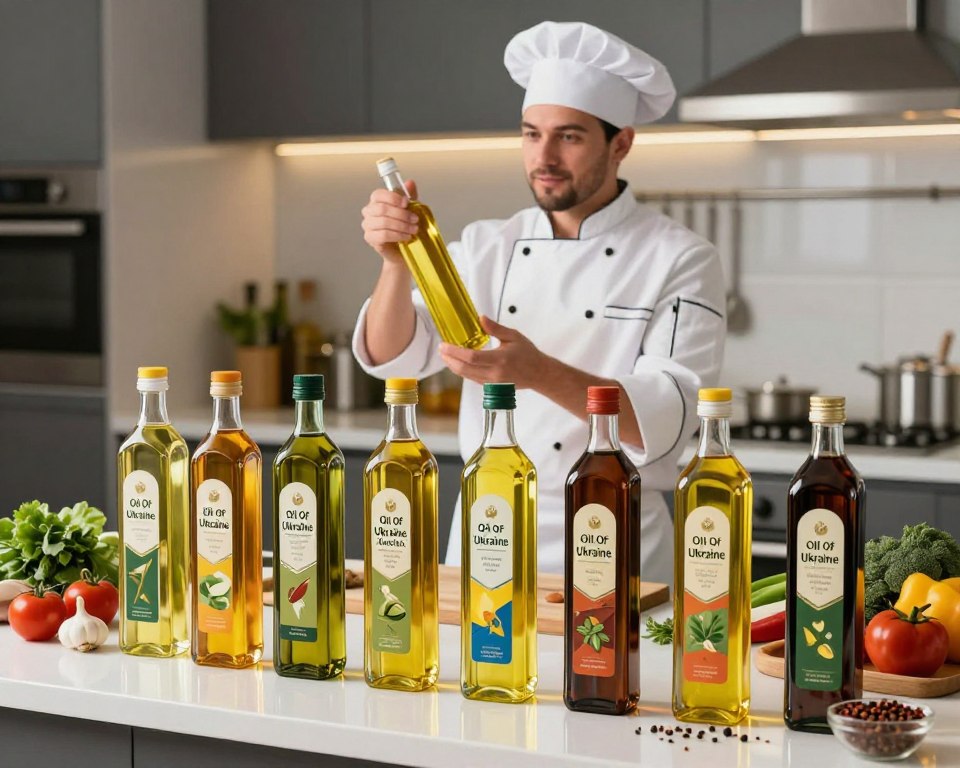
Leading Brands in the Market
Some names stand out in the industry. Cobram Estate is known for fresh oils and sustainable methods. Pendleton Olive Estate is also popular for its unique flavors and traditional ways of making oil.
These leaders use the latest technology to keep their oils healthy. They control everything from growing to bottling. This care sets them apart from common oils in stores.
Consumer Reviews and Ratings
What people say online is a good guide to quality. Many top-rated cooking oil manufacturers get high marks for being open and pure. People like brands that show when the oil was picked and what's in it.
When picking top cooking oil companies, look for good feedback on taste and quality. Reliability is key. Choosing from these top-rated cooking oil manufacturers means your kitchen will have oils trusted by Australians.
Sustainable Practices in Oil Production
Today, the best oil brands in Australia focus on being eco-friendly. People want to know how their food choices affect the planet. This has led top cooking oil companies to change their ways and choose greener options.
Eco-Friendly Manufacturing Processes
Modern oil production is getting greener. Companies are using solar power to run their machines. This cuts down on harmful emissions and keeps the oil clean.
These companies also work hard to reduce waste. They use byproducts for animal feed or biofuel. This innovative technique makes sure nothing goes to waste.
Importance of Sustainable Sourcing
The quality of oil starts with the source. It's key to choose raw materials like olives and sunflower seeds responsibly. High-quality cooking oil manufacturers team up with farmers who care for the land.
- Soil Health: They work to keep the soil good for future crops.
- Water Conservation: They use water wisely to avoid waste.
- Chemical Reduction: They use fewer chemicals to protect the environment.
Impact on Consumer Choices
Your choices matter. By picking eco-friendly brands, you help the whole industry get better. This demand pushes top cooking oil companies to be open about where they get their oil.
Supporting high-quality cooking oil manufacturers that care about the planet helps Australia's farms. Your smart choices mean your kitchen stays green. Every bottle purchased helps create a better food system.
Health Considerations When Choosing Cooking Oils
Choosing the right cooking oil is key to your health. Oils high in monounsaturated and polyunsaturated fats are good for your heart. Many top-rated cooking oil manufacturers provide detailed nutrition info to help you choose wisely.

Allergens and Dietary Restrictions
Good brands are clear about what's in their oils. If you have allergies or dietary restrictions, check the labels carefully. Reputable brands have clear certifications to ensure their oils are safe for everyone.
"The quality of the fat you consume is just as important as the quantity. Choosing oils that are minimally processed preserves the essential nutrients your body needs to thrive."
Recommendations for Healthy Cooking
Switch up your oils for different cooking methods. Use cold-pressed oils for dressings to keep their flavors and nutrients. For frying or roasting, choose stable oils that can handle high heat.
Keep your oils in a cool, dark place to prevent oxidation. This helps keep their nutrients intact. By choosing quality oils, you support your health goals. Working with top-rated cooking oil manufacturers makes it easier to make healthy choices.
Buying Tips for Cooking Oil Consumers
Finding the right oil for your kitchen is about smart shopping and knowing the industry. In Australia, it's not just about picking the first oil you see. Look for quality indicators to make sure your pantry has oils that taste great and are good for you.
Where to Find Quality Oils in Australia
Big supermarkets in Australia have lots of oils, but health food stores have more unique ones. Local markets might have cold-pressed oils you can't find elsewhere. These places often work with leading cooking oil suppliers to offer fresher, tastier oils.

Check the labels for where the oil comes from and when it was harvested. Local oils are often fresher because they travel less. Make sure the label says how the oil was extracted.
Price vs. Quality: What to Consider
The cost of oil shows how it was made and what it's made from. Cheap oils are okay for frying, but spend more on oils for dressings or finishing dishes. Buying from reputable cooking oil manufacturers means you're getting pure, ethically made oil.
"Quality is never an accident; it is always the result of high intention, sincere effort, intelligent direction and skillful execution."
Think about how you'll use the oil before buying. High-quality oils taste better and can make any meal special. It's worth paying more for organic or sustainably sourced oils.
Storage Tips for Preserving Oil Freshness
Storing oil right is key to keeping it fresh. Store bottles in a cool, dark place, like a pantry. Heat and light can make oil go bad fast, ruining its flavor.
- Keep lids tightly sealed after every use to minimize air exposure.
- Avoid storing oils near windows or direct sunlight.
- Check the "best before" date regularly to ensure peak freshness.
By following these tips, you can keep your oil fresh and enjoy it fully. Taking care of your oil means every drop stays fresh.
Conclusion: Making Informed Choices for Cooking Oils
Choosing the right oil can change how you cook. Look for brands that are open about how they make their oils. This way, you can pick oils that fit your health goals.
Good oil makers share details about where they get their oil and how they process it. Check labels and look for certifications. This helps you know you're getting the good stuff.
Applying Your Knowledge
Staying informed is key. Visit places like the Australian Olive Association. They keep you up-to-date on the latest in oil production.
Building a Better Pantry
Share what you know about different oils. Your stories help others make better choices. Together, we can make the market better for everyone.
FAQ
Q: Who are the top cooking oil manufacturers currently operating in Australia?
A: In Australia, Goodman Fielder, Peerless Foods, and Boundary Bend Limited lead the market. They are known for their quality and volume. These companies have large supply chains, providing everything from vegetable oils to extra virgin olive oils.
Q: How can I distinguish the best cooking oil brands for high-heat culinary applications?
A: For frying or searing, check the smoke point. Crisco and Fry-Tol are good for high temperatures. Cobram Estate offers extra virgin olive oils for standard cooking temperatures.
Q: What certifications should I look for to identify premium cooking oil producers?
A: Look for the Australian Olive Association (AOA) seal for "extra virgin" standards. Also, check for Non-GMO Project Verified and HACCP certifications. These show a commitment to safety and transparency.
Q: Why is sustainability a major focus for top cooking oil companies today?
A: Companies like Boundary Bend focus on sustainability. They reduce their environmental impact and meet ethical product demands. Supporting these companies helps Australia's agriculture.
Q: How do reputable cooking oil manufacturers ensure the nutritional integrity of their products?
A: They use cold-pressing and filtration to keep nutrients. Squeaky Gate, for example, minimizes processing. Choosing brands that avoid hexane ensures health benefits.
Q: Where can consumers find products from leading cooking oil suppliers in Australia?
A: You can find them at Woolworths, Coles, and Aldi. For unique varieties, try independent grocers or direct platforms. Always check the bottling date for freshness.
Q: What are the best storage practices for maintaining the quality of oils from top cooking oil brands?
A: Store oils in a cool, dark place. Use tinted glass or tin to prevent oxidation. This keeps the oil fresh longer.
Q: Is there a significant difference between artisanal producers and large-scale top cooking oil manufacturers?
A: Yes, there's a big difference. Large-scale brands offer consistency and value. Artisanal producers focus on unique flavors and single-origin oils. Both cater to different needs.