


Sunflower oil and refined sunflower oil is quickly becoming a favorite among health-conscious individuals in Seychelles. This versatile oil, derived from the seeds of Helianthus annuus, offers numerous benefits for both culinary and cosmetic uses. Its neutral flavor and high smoke point make it ideal for various cooking methods. In recent years, there has been a noticeable shift towards natural oils that promote wellness. Sunflower oil stands out as a strong contender, alongside traditional options like olive oil. This guide will delve into the oil's nutritional profile, exploring its health benefits, including support for heart health and skin care.
With global production reaching 20.3 million tonnes in 2022, the accessibility of this oil in Seychelles is noteworthy. By understanding the different types available, such as high-oleic and high-linoleic varieties, consumers can make informed choices. This guide aims to provide actionable insights, ensuring that by the end, readers will appreciate why sunflower oil is a valuable addition to their kitchens and personal care routines.


Key Takeaways
- Sunflower oil is popular for its health benefits and versatility.
- It is extracted from the seeds of the sunflower plant.
- This oil has a high smoke point, making it suitable for cooking.
- There is a growing interest in nutrient-rich oils in Seychelles.
- Understanding different types of sunflower oil is crucial for informed choices.
- Production levels highlight its importance in the global food supply.
What is Sunflower Oil?
Sunflower oil is primarily composed of triglycerides, which are derived from fatty acids. According to the British Pharmacopoeia, conventional varieties contain approximately 59% linoleic acid and 30% oleic acid. This unique composition plays a crucial role in its health benefits and versatility.Types of Sunflower Oil: High-Linoleic, High-Oleic, Mid-Oleic, and High-Stearic
There are four distinct types of sunflower oil, each produced through selective breeding and industrial processing:- High-Linoleic: Contains 69% linoleic acid, known for its rich polyunsaturated omega-6 fatty acids.
- High-Oleic: Comprises 82% oleic acid, providing greater oxidative stability for high-temperature cooking.
- Mid-Oleic: Features 65% oleic acid, balancing properties for various culinary uses.
- High-Stearic: Combines high-oleic with 18% stearic acid and 72% oleic acid.
Extraction Methods: Cold-Pressed vs. Refined Oils
Extraction methods significantly impact the quality and nutritional profile of sunflower oil. Cold-pressed extraction uses mechanical expeller pressing under low-temperature conditions without chemical solvents. This method retains more natural nutrients, flavor compounds, and a light-amber color. In contrast, refined oils are processed with solvents like hexane, followed by de-gumming, neutralization, and bleaching. While refined oil has a higher smoke point of 232°C (450°F) and a neutral taste, it may lose some beneficial components, including free fatty acids and phytosterols. For those in Seychelles, it is essential to check labels to identify the type of sunflower oil being purchased. The fatty acid profile can significantly impact both health benefits and cooking performance. Unrefined sunflower oil, with a lower smoke point of approximately 107°C (225°F), is best suited for raw dishes or low-temperature cooking, preserving its original nutrient content and delicate flavor.Sunflower Oil and Nutritional Profile
Delving into the nutritional content of sunflower oil uncovers its significant health advantages. This oil is composed entirely of fat, making it a calorie-dense food. In a reference amount of 100 grams, it provides 884 calories, which should be consumed in moderation as part of a balanced diet in Seychelles.Fatty Acid Composition: Linoleic and Oleic Acids
The fatty acid composition varies among the different types of sunflower oil. The high-linoleic variety contains approximately 65.7g of polyunsaturated fat, 19.5g of monounsaturated fat, and 10.3g of saturated fat per 100g. In contrast, the high-oleic type offers a remarkable 83.7g of monounsaturated fat, with only 3.8g of polyunsaturated fat. Linoleic acid is an essential polyunsaturated omega-6 fatty acid. It cannot be synthesized by the body, so it must be obtained through diet. Sunflower oil is one of the richest sources of this vital nutrient. Oleic acid, a monounsaturated omega-9 fatty acid, enhances the oil's stability and provides additional health benefits. High-oleic varieties can contain up to 82% oleic acid.Vitamins and Antioxidants: Vitamin E, A, D, and Tocopherols
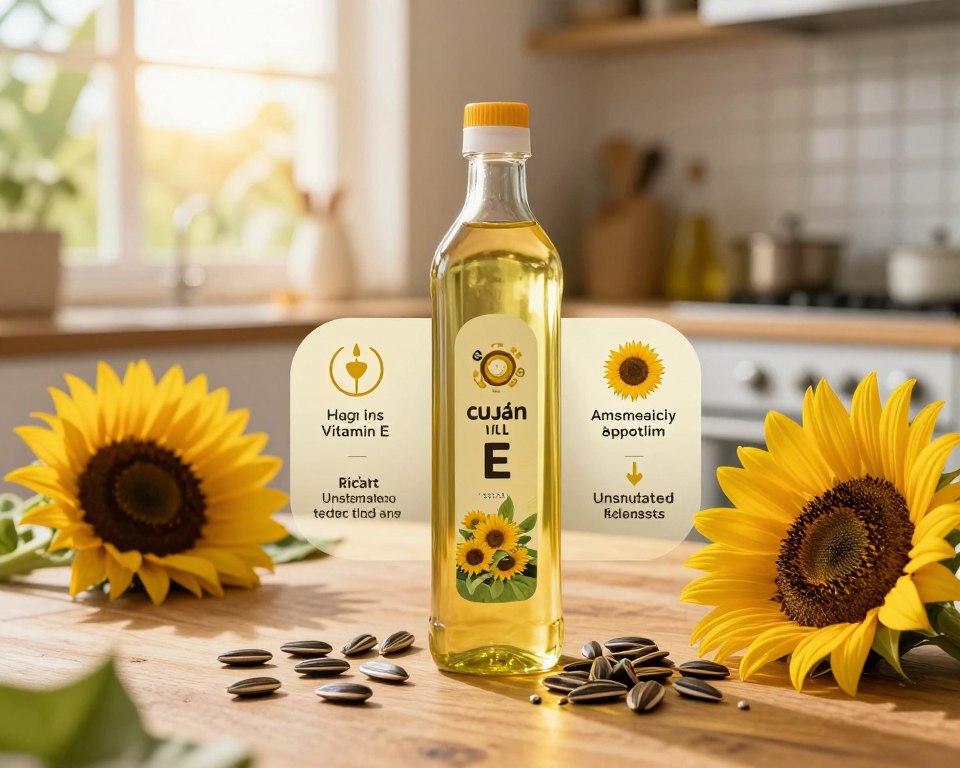
This oil is also notable for its impressive vitamin E content, providing 274% of the Daily Value (41.1 mg per 100g). This makes it one of the most concentrated food sources of this essential fat-soluble antioxidant vitamin. Additionally, sunflower oil contains other important fat-soluble vitamins, including vitamin A, vitamin D, and vitamin K (5.4 μg per 100g), along with tocopherols and carotenoids, which contribute to its overall nutritional value.Calories and Fat Content Overview
While sunflower oil contains no carbohydrates or protein, its rich fatty acid and vitamin profile makes it a valuable addition to the diet. When used to replace less healthy saturated fat sources, it can enhance overall health. The caloric density of sunflower oil is comparable to other vegetable oils, emphasizing the importance of portion control for those managing their energy intake.
Cardiovascular Health Benefits of Sunflower Oil
The cardiovascular advantages of sunflower oil make it a smart choice for health-conscious consumers. This oil is rich in polyunsaturated fatty acids, which are crucial for maintaining proper heart function. Particularly, the omega-6 linoleic acid found abundantly in sunflower oil supports overall cardiovascular health.Role of Polyunsaturated Fatty Acids in Heart Health
Polyunsaturated fatty acids play a vital role in heart health. They help maintain healthy cholesterol levels and support overall cardiovascular function. With a high content of these beneficial fatty acids, sunflower oil is one of the best oils to include in your diet.Effect on Cholesterol and Triglyceride Levels
Research shows that diets rich in high-oleic-acid sunflower oil can favorably alter low-density lipoprotein (LDL) cholesterol and triglyceride levels. A study by Allman-Farinelli et al. (2005) highlighted that such diets improve blood lipid profiles, reducing the risk of cardiovascular diseases.Vitamin E's Protective Functions for Cardiovascular System
Another important aspect of sunflower oil is its high vitamin E content. This powerful antioxidant protects cells and helps prevent the oxidation of LDL cholesterol, a critical factor in atherosclerosis. By incorporating sunflower oil into meals, you can enhance your heart's protection against potential damage. In summary, replacing saturated fats with sunflower oil in traditional Seychelles cooking can be an effective dietary strategy for supporting long-term heart health. As part of a balanced lifestyle that includes regular exercise and a diet rich in fruits and vegetables, sunflower oil can significantly contribute to overall cardiovascular wellness.
How Sunflower Oil Contributes to Lowering Cholesterol
Incorporating sunflower oil into your diet can play a pivotal role in managing cholesterol levels. This oil is not only low in saturated fat but also rich in phytosterols, which are natural compounds that help block cholesterol absorption in the intestines. By preventing some cholesterol from entering the bloodstream, sunflower oil supports heart health and can lead to lower total cholesterol and triglyceride levels. Phytosterols are key players in this process. They compete with dietary cholesterol for absorption, effectively reducing the amount that enters the bloodstream. This mechanism is crucial for maintaining healthy cholesterol levels, making sunflower oil a smart choice for those concerned about heart health.Comparing Saturated Fat Content to Other Oils
When comparing the saturated fat content of various oils, sunflower oil stands out. It contains approximately 9-10g of saturated fat per 100g, significantly lower than coconut oil, which has about 82.5% saturated fat, and palm oil, with 49.3%. This lower saturated fat content means less substrate for the body to convert into LDL cholesterol, reducing cardiovascular risk. Studies, such as one conducted by Binkoski et al. in 2005, have shown that mid-oleic sunflower oil can be as effective as olive oil in managing cardiovascular disease risk factors. Regularly replacing higher saturated fat oils with sunflower oil can lead to measurable reductions in total cholesterol and triglyceride levels. For residents of Seychelles looking to manage cholesterol levels naturally, incorporating sunflower oil into daily meals offers a practical and accessible dietary intervention. However, it is important to remember that these benefits are most pronounced when sunflower oil replaces oils high in saturated fats rather than simply adding it to an already high-fat diet. While sunflower oil can support healthy cholesterol levels, individuals with specific medical conditions should consult healthcare professionals for personalized dietary advice tailored to their needs.
Antioxidant Properties and Cellular Repair Benefits
With its rich vitamin E content, sunflower oil serves as a powerful ally in cellular repair and health. This oil is packed with antioxidants that play a vital role in neutralizing free radicals. These harmful molecules can damage cellular structures, DNA, and the immune system, leading to various health issues.Vitamin E as a Powerful Antioxidant
Vitamin E is abundant in sunflower oil and is renowned for its antioxidant properties. It works by donating electrons to free radicals, effectively stabilizing them. This action prevents chain reactions that could lead to chronic diseases, including cancer. Sunflower oil also offers protection against UVA radiation when applied topically. The vitamin E in this oil absorbs harmful ultraviolet energy, preventing it from penetrating deeper skin layers and causing cellular harm. This protective role is crucial for maintaining skin health.Sunflower Oil's Role in Tissue Regeneration
Research conducted by Elmadfa and Park in 1999 showed that diets incorporating olive and sunflower oils resulted in reduced DNA damage compared to those consuming corn oil. This finding highlights the protective effects of these oils on cellular health. Moreover, sunflower oil contains proteins and amino acids that are essential for tissue construction and repair. This makes it valuable for recovery from injuries and maintaining healthy organ function. Vitamin E's antioxidant activity extends to combating acne-causing bacteria on the skin. By reducing inflammation, it supports a clearer complexion through its antimicrobial effects. Additionally, tocopherols in sunflower oil are vital for maintaining cellular membrane stability. They protect the lipid bilayer of cells from peroxidation, ensuring proper cellular function and communication. Regular consumption of sunflower oil can enhance the body's overall antioxidant defense system. This complements other dietary antioxidants from fruits and vegetables, which are commonly consumed in Seychelles. It's important to note that the antioxidant benefits of sunflower oil are most potent in unrefined, cold-pressed varieties. These retain higher levels of vitamin E and other heat-sensitive protective compounds. While sunflower oil provides significant antioxidant support, it should be part of a comprehensive approach to health. A varied diet rich in multiple antioxidant sources is essential for optimal well-being.Sunflower Oil for Skin Care and Moisturization
More than just a cooking ingredient, sunflower oil is emerging as a staple in skincare routines across Seychelles. Its exceptional emollient properties allow it to form a protective barrier on the skin's surface. This barrier effectively locks in moisture and prevents transepidermal water loss, which is crucial in the tropical climate. This oil reduces the likelihood of skin infections and pimple formation by approximately 14%. This is achieved through its protective film-forming action and the antimicrobial properties derived from its vitamin E content. As a result, it acts as a great ally for dry skin, improving its ability to retain moisture.Effectiveness Against Acne and Sensitive Skin Care
Rich in vitamins A, C, and D, along with carotenoids and natural waxes, sunflower oil is effective against acne. It regulates sebum production and reduces inflammation without clogging pores. Its lightweight, non-greasy texture allows for rapid absorption, making it suitable for all skin types, including oily and combination skin.Benefits of Combining Sunflower Oil with Extra Virgin Olive Oil
Combining sunflower oil with quality extra virgin olive oil creates a powerful blend. This mixture effectively removes dead skin cells, dissolves impurities, and nourishes the dermis simultaneously. Clinical research has shown that topical emollient therapy with sunflower seed oil alters the skin microbiota positively, supporting a healthier skin microbiome. Studies by Kumar et al. (2022) and Karakoç & Ekici (2022) indicate that applications of sunflower seed oil improve skin integrity and maintain a healthy skin barrier function, particularly in vulnerable populations. Furthermore, sunflower oil serves as an effective and gentle make-up remover for sensitive skin types, dissolving even waterproof cosmetics without causing irritation or damage. PEG-10 sunflower glycerides are widely used in commercial cosmetic formulations, demonstrating the oil's established safety profile and efficacy in the beauty and personal care industry. For residents of Seychelles, incorporating sunflower oil into daily skincare routines can be straightforward. It can be used as a standalone moisturizer, a carrier oil for essential oils, or a component of homemade facial treatments.
Hair Care Benefits: Frizz Prevention and Softening Effects
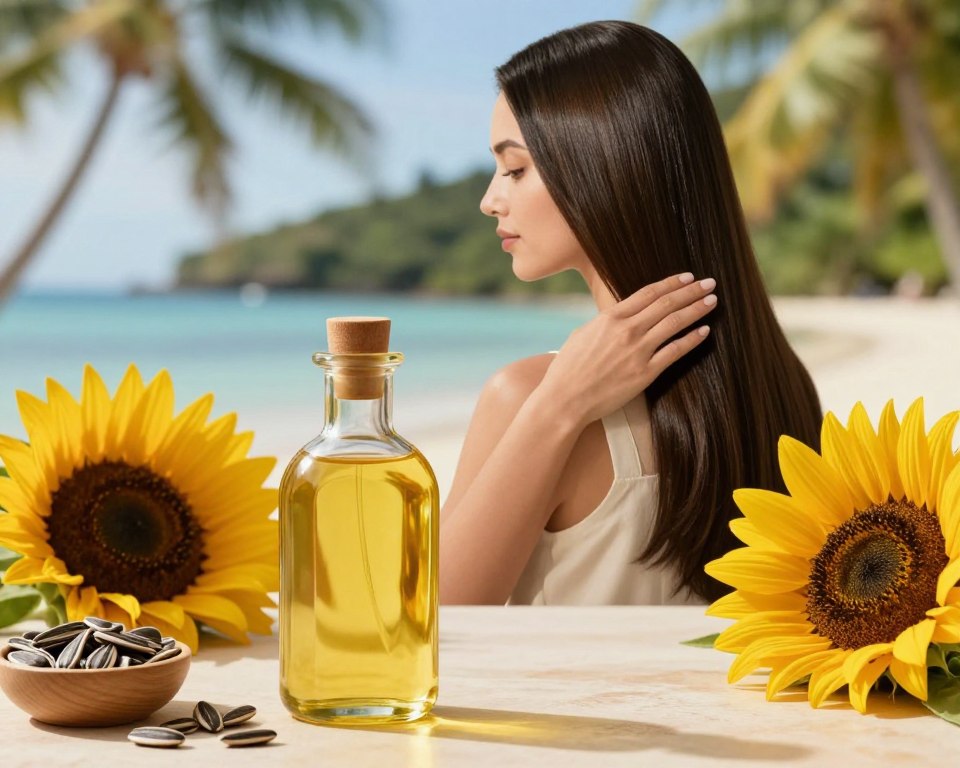
As a versatile oil, sunflower seed oil provides exceptional benefits for hair care routines. Its lightweight texture makes it ideal for softening hair while combating frizz, dryness, and breakage. Rich in gamma alpha linolenic acid (GLA), this oil plays a vital role in preventing hair thinning and is often used in treatments for hair loss. This oil does not have a strong smell, making it pleasant to use. Its lightweight nature ensures it does not weigh hair down or leave a greasy residue, making it suitable for all hair types, including fine hair.Gamma Alpha Linolenic Acid (GLA) for Hair Health
The GLA present in sunflower seed oil is crucial for promoting healthier and fuller hair growth. It helps prevent hair thinning and supports overall scalp health. This natural component reduces inflammation and nourishes hair follicles, creating an optimal environment for healthy hair growth cycles.
Practical Uses of Sunflower Oil in Seychelles
In Seychelles, the uses of sunflower oil extend far beyond the kitchen. This versatile oil is a staple in both cooking and personal care routines. Its high smoke point and neutral taste make it ideal for various culinary applications.Frying and Cooking Applications
Refined sunflower oil is perfect for a range of cooking methods. It can handle low to extremely high temperatures, with a smoke point of 232°C (450°F). This makes it suitable for deep frying, including popular snacks like potato chips and French fries. Sunflower oil excels in numerous frying applications. It is used for shallow frying, stir-frying, pan-frying, and wok cooking. Its neutral flavor enhances dishes without overpowering them, making it a favorite in Seychelles' diverse culinary traditions. When choosing sunflower oil for cooking, consider the type. Refined high-oleic oils are best for high-heat frying, while unrefined oils work well for low-temperature cooking and raw applications, such as salad dressings.
Conclusion
Recognized for its health properties, sunflower oil is gaining traction in Seychelles. This versatile oil offers a wealth of benefits, making it one of the healthiest vegetable oils available. Its rich content of vitamin E provides 274% of the Daily Value, while its balance of polyunsaturated and monounsaturated fatty acids promotes heart health. Scientific research highlights its role in improving cholesterol levels and offering antioxidant protection. Beyond the kitchen, sunflower oil serves as an effective ingredient in skincare and hair care routines. Choosing the right variety high-oleic for cooking or cold-pressed for maximum nutrients can enhance its benefits.Incorporating sunflower oil into daily life can support overall wellness. It’s a practical choice for those seeking health-promoting products. We encourage you to explore its uses in cooking and personal care to experience the advantages firsthand.FAQ
What are the main benefits of using sunflower oil?
Sunflower oil is rich in polyunsaturated fatty acids, particularly linoleic and oleic acids, which promote heart health. It also contains vitamin E, an antioxidant that supports skin health and cellular repair.
How does sunflower oil compare to olive oil?
While both oils are healthy, sunflower oil has a higher content of linoleic acid, making it beneficial for heart health. Olive oil, particularly extra virgin, is rich in monounsaturated fats and antioxidants, offering different health benefits.
Can sunflower oil help lower cholesterol levels?
Yes, sunflower oil contains phytosterols that can reduce cholesterol absorption in the body, potentially lowering overall cholesterol levels when included in a balanced diet.
What is the best way to store sunflower oil?
To maximize freshness and nutrient retention, store sunflower oil in a cool, dark place, away from heat and light. Ensure the cap is tightly sealed to prevent oxidation.
Is sunflower oil suitable for frying?
Yes, sunflower oil has a high smoke point, making it ideal for frying and cooking at high temperatures without breaking down.
What types of sunflower oil are available?
There are several types, including high-linoleic, high-oleic, mid-oleic, and high-stearic sunflower oils, each with different fatty acid compositions and uses.