


The start of every great dish is the ingredients you pick. In a pro kitchen, the fat you use is key. It helps bring out the flavors of your dishes. So, picking the right high-quality cooking oil for restaurants is a big deal.
Being consistent is what keeps a place successful. When you choose top-notch ingredients, every dish meets your high standards. Precision in your pantry means better food on your menu. It keeps customers coming back.
This guide will show you how to pick the best oil. We'll talk about smoke points, flavor, and stability. These are key for great food across your menu.
Key Takeaways
- Choosing the right ingredients affects your dish's taste and texture.
- Being consistent comes from a solid supply chain and product choices.
- Knowing about smoke points is important for safe cooking.
- Smart shopping saves money by cutting down on waste and making products last longer.
- Stability is key in busy kitchens to keep food quality high.
The Importance of High-Quality Cooking Oil in the Restaurant Industry
In Australia's competitive restaurant scene, the quality of your oil is key. Choosing the right high-quality cooking oil for restaurants is more than just a choice. It's a decision that affects every dish you serve.
Chefs know that cooking oil is a silent partner in every dish. By choosing premium cooking oil for commercial kitchens, restaurants make sure their ingredients stand out. This is because good oils don't hide the flavors of fresh foods and proteins.
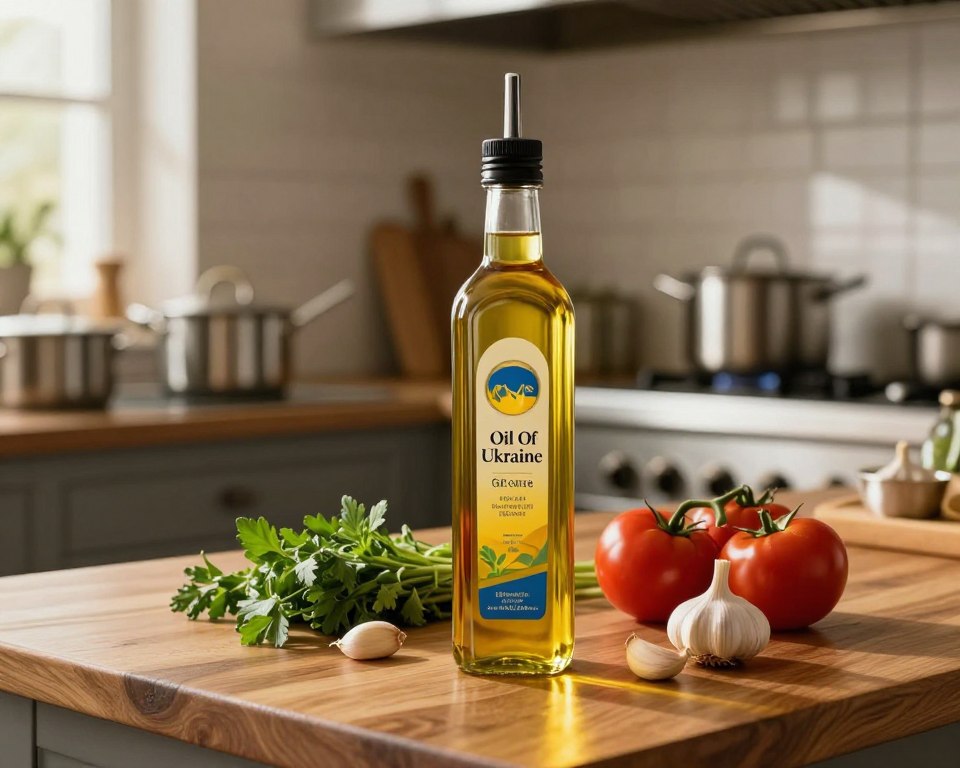
Enhancing Flavor and Texture
Premium oils change how we experience food. They give a better mouthfeel, making the flavors of fresh foods and proteins pop.
Using refined, stable oils means avoiding bad tastes from low-quality oils. This focus ensures your dishes taste great from start to finish.
Impact on Dish Presentation
Good looks are important in fine dining, and the right oil is key. High-quality oils make fried or sautéed foods look as good as they taste.
Using premium cooking oil for commercial kitchens keeps food looking clean and golden. This makes your dishes look more appealing and valuable.
Health Considerations
The health benefits of your oil choice are also important. Good oils stay stable even when cooked at high heat.
By picking a high-quality cooking oil for restaurants, you reduce harmful compounds. This is essential for any restaurant that cares about taste, looks, and customer health.
Types of Cooking Oils: An Overview
Choosing the best restaurant cooking oil is key for great flavor and kitchen efficiency. It's important to know how different oils react to heat and mix with food. This way, chefs can serve consistent, high-quality dishes every time.
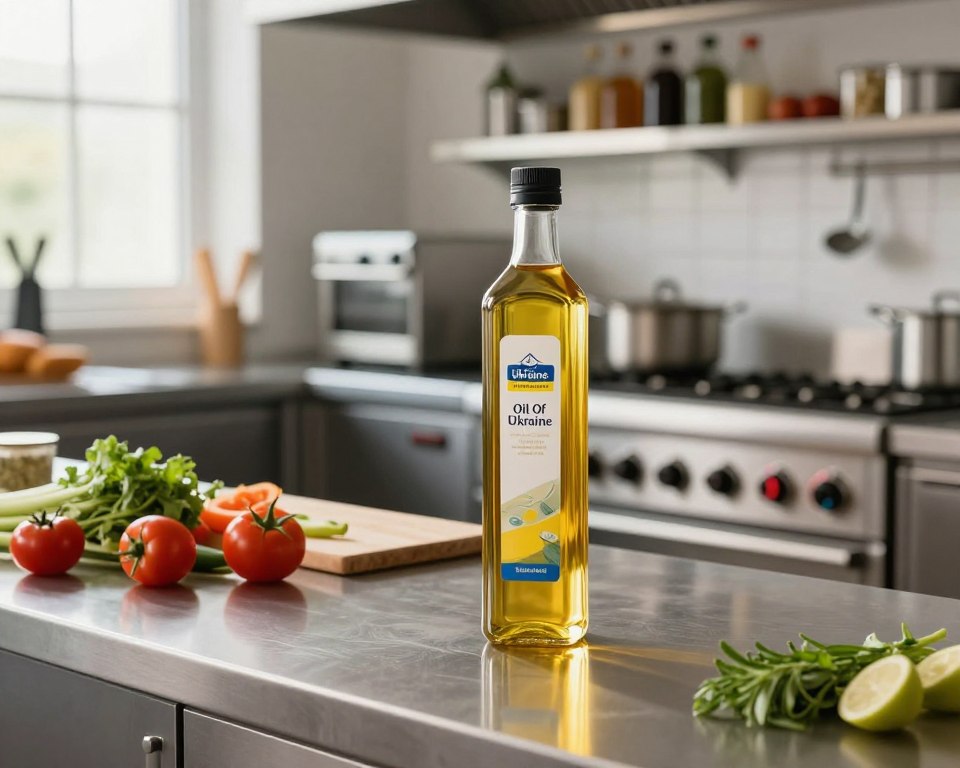
Olive Oil vs. Canola Oil
Olive oil and canola oil have different uses in a busy kitchen. Olive oil, like extra virgin, is loved for its strong taste. It's best for dressings, marinades, or low-heat cooking. It adds a rich, Mediterranean flavor to dishes.
Canola oil is neutral and great for lots of cooking. It doesn't change the taste of food, making it perfect for frying or baking. Many chefs choose it for its reliability and value.
Avocado Oil vs. Peanut Oil
For cooking at high heat, the oil's smoke point is key. Avocado oil has a very high smoke point, ideal for searing without burning. It keeps food's flavor clean and intact.
Peanut oil is also good for high heat, like in Asian stir-fries. It adds a light, nutty flavor that goes well with savory dishes. The right oil choice depends on the meal's texture and heat needs.
Specialty Oils for Unique Flavors
Specialty oils are used in small amounts to add depth and aroma to dishes. They're essential for making signature dishes stand out.
- Toasted Sesame Oil: Brings a deep, earthy smell to stir-fries or noodle dishes.
- Truffle Oil: Adds a strong, savory taste to pasta, risottos, or roasted veggies.
- Walnut Oil: Adds a light, nutty sweetness to salads and vinaigrettes.
| Oil Type | Smoke Point | Primary Use |
|---|---|---|
| Canola | High | Frying/Baking |
| Avocado | Very High | Searing/Grilling |
| Olive | Medium | Dressings/Finishing |
Key Characteristics of High-Quality Cooking Oils
High-quality oils are key for top-notch cooking in busy restaurants. Choosing the best restaurant cooking oil means knowing how fats act under pressure. Chefs use technical specs to keep dishes up to par every time.
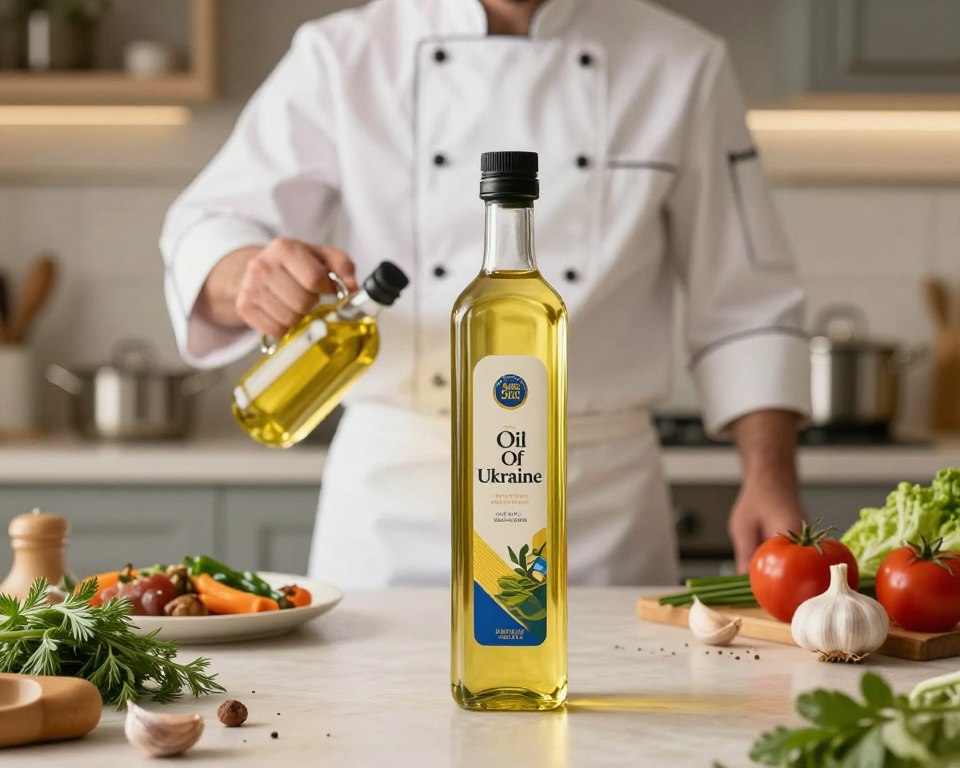
Smoke Point and Its Relevance
The smoke point is when an oil starts to smoke and break down. For high-heat cooking like searing or deep-frying, a high smoke point is essential. It prevents bitter tastes and keeps your kitchen safe and food quality high.
Refinement Process and Purity
The way an oil is refined affects its stability and performance. Highly refined oils are best for lots of frying because they have fewer impurities. Using top quality oil for culinary use means longer fry life and better value in a busy kitchen.
Taste Profiles That Complement Different Cuisines
Every cuisine needs a certain flavor to be authentic. Neutral oils are great for dishes where the ingredients should be the main focus. Robust oils add depth to dressings or finishing touches. Choosing the right oil for your menu shows a chef's skill.
| Oil Type | Smoke Point | Flavor Profile | Best Culinary Use |
|---|---|---|---|
| Refined Avocado | Very High | Neutral | High-heat searing |
| Canola Oil | High | Neutral | Deep frying |
| Extra Virgin Olive | Low/Medium | Robust/Fruity | Salad dressings |
| Peanut Oil | High | Nutty | Stir-frying |
Sourcing and Purchasing High-Quality Oils
Finding the right culinary oils is a big task. Chefs and kitchen managers need to keep their standards high. Choosing a gourmet cooking oil supplier is key to getting premium ingredients.
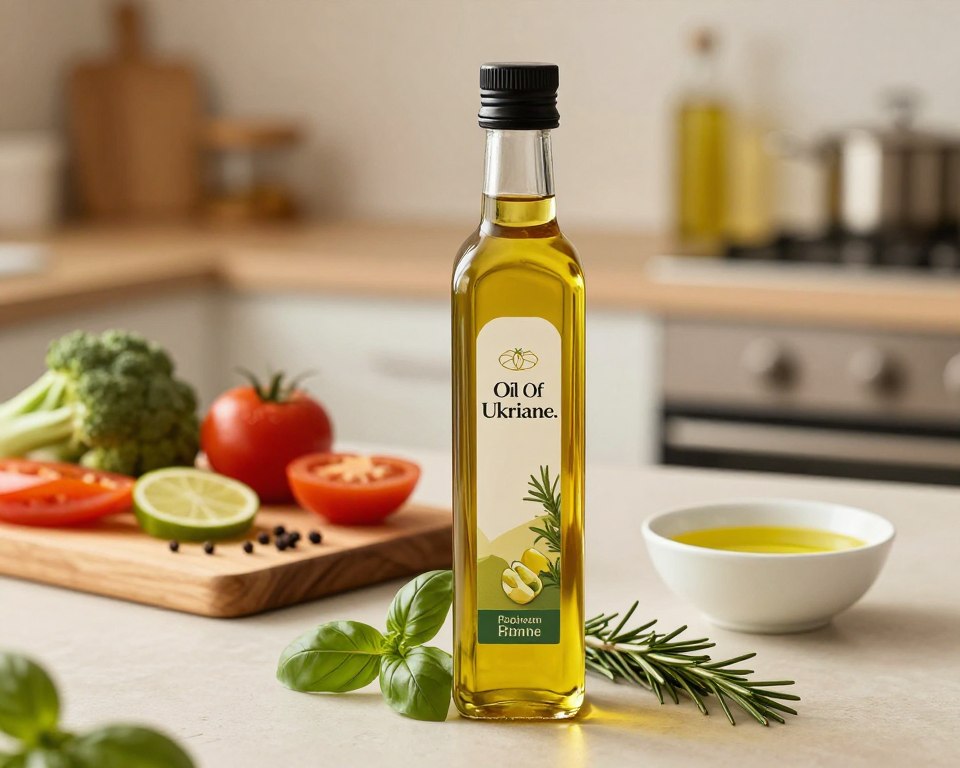
Identifying Reputable Suppliers
Finding a reliable supplier is more than just getting products. They should be open about how they source their oils. Look for a gourmet cooking oil supplier that shows their production steps. They should also deliver consistently and keep the quality high.
- Check for long-standing industry experience.
- Request samples to test performance under high heat.
- Verify their cold-chain or storage logistics capabilities.
Evaluating Cost vs. Quality
It's hard to balance cost and quality when buying restaurant-grade cooking oil. Think about the cost over time, not just the initial price. Better oil lasts longer, saving you money in the long run.
"Quality is never an accident; it is always the result of high intention, sincere effort, intelligent direction and skillful execution."
When comparing options, use this table to see if you're getting a good deal:
| Feature | Budget Oil | Premium Oil |
|---|---|---|
| Smoke Point | Low | High |
| Longevity | Short | Extended |
| Flavor Impact | Neutral/Off | Clean/Enhanced |
Understanding Certifications and Labels
It's important to understand what labels mean. Look for certifications that show the oil is pure and made ethically. These labels are a big sign of quality and safety in the food industry.
Choose oils that clearly say how they were made and where they come from. Using restaurant-grade cooking oil with recognized certifications makes you and your customers happy. This focus on quality makes every dish better.
Storing Cooking Oils to Maintain Quality
Keeping your cooking oil in top shape begins when it arrives. Proper storage is essential for keeping your ingredients stable. This ensures your dishes taste great every time.
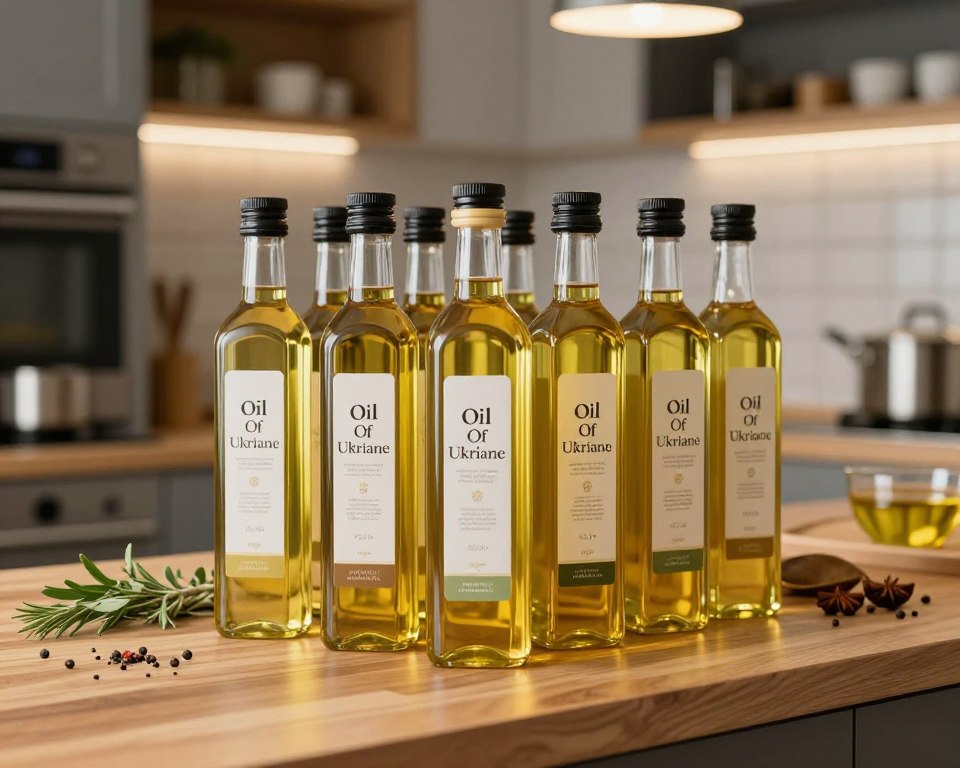
Ideal Storage Conditions
To keep your restaurant-grade cooking oil fresh, avoid heat, light, and oxygen. Store it in a cool, dark spot, away from ovens and sunlight. Temperature changes can make fats break down faster, spoiling the oil sooner.
Always seal containers tightly after use. Oxygen can cause the oil to go bad quickly. If you have bulk containers, move oil to smaller, airtight containers to reduce exposure.
Shelf Life and Freshness Indicators
Every oil has a limited shelf life. A professional chef cooking oil option should be checked often for signs of spoilage. A bad smell, like metal or soap, means it's gone bad.
Look out for changes in appearance too. If your restaurant-grade cooking oil looks cloudy, thick, or dark, it's time to throw it away. Consistency is key in a kitchen. Discard oil that doesn't pass these tests to keep your food safe and delicious.
Best Practices for Using Cooking Oils in Restaurants
To excel in the kitchen, you need to follow strict oil maintenance rules. Every chef's choice of cooking oil must be closely watched. This ensures flavors stay fresh and consistent for your guests.
Understanding Oil Usage Limits
It's key to keep an eye on how fats break down. Check the oil's color, smell, and smoke point every day. Replacing or filtering it at the right time stops off-flavors from spoiling your dishes.
Blending Oils for Optimal Flavor
Blending oils can save money without sacrificing taste. A neutral oil mixed with a premium one is a smart choice for high-volume frying. This approach helps foodservice places balance their budget with flavor needs.
Regularly Monitoring Oil Performance
Regular testing keeps your reputation and profits safe. Use digital testers to check polar compounds in fryers. These habits ensure every meal meets your guests' high expectations. Treat your oil as a key ingredient for success in your kitchen.