


In Australia, more kitchens and homes buy cooking oil in bulk. This smart move helps control pantry costs and keeps essential ingredients on hand.
Buying in bulk brings big financial advantages for those who cook a lot. It makes managing your food supplies easier and cuts down on restocking trips.
When you buy in bulk, you need to pay close attention to details. It's important to find products that follow strict Australian food safety standards. This guide will help you save money in your kitchen by planning well and finding reliable sources.

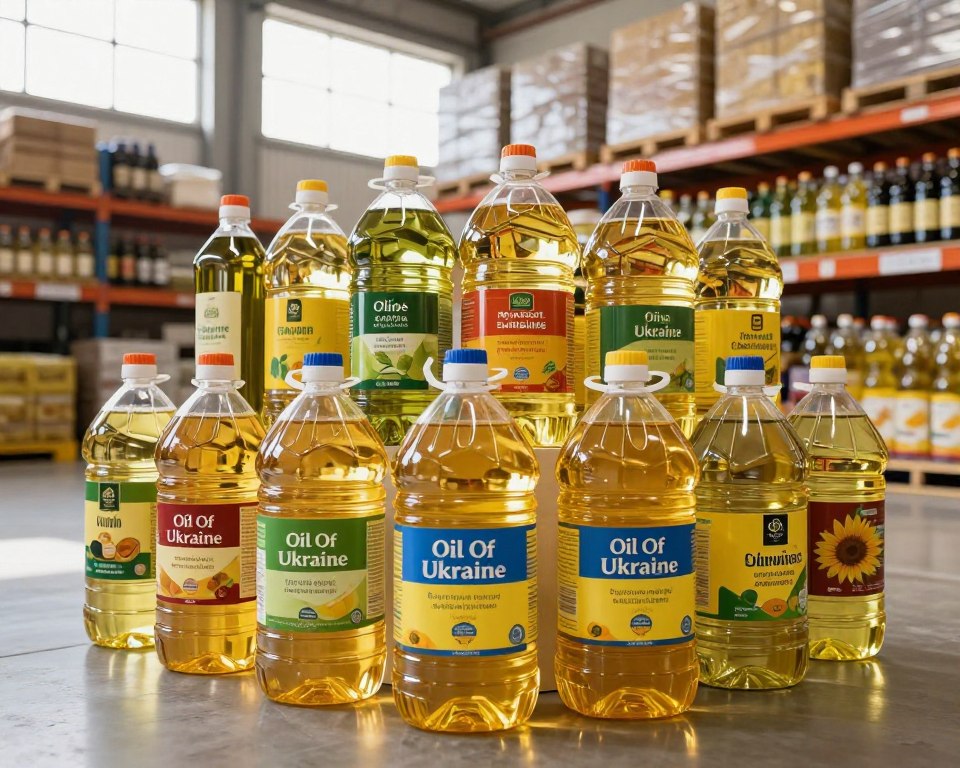

Choosing the right partner is critical for a consistent supply of quality cooking oil. By focusing on these standards, you safeguard your business and achieve the best in your kitchen.
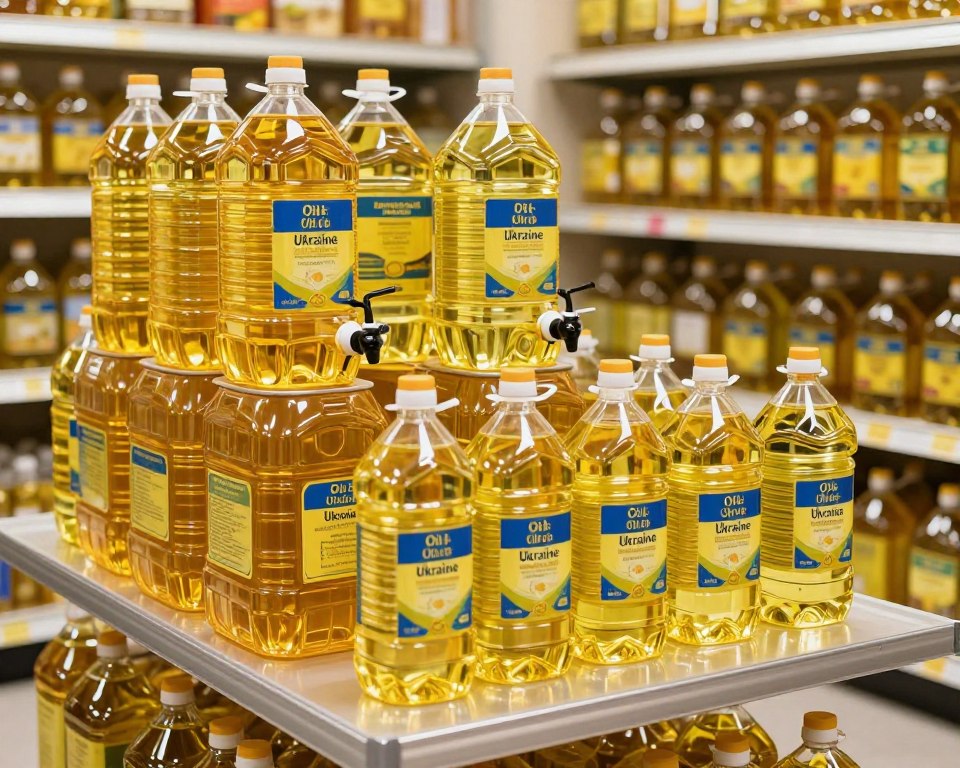
Confirming the delivery time lets your team prepare. Good logistics keep your kitchen running smoothly. Reliable delivery is essential for a professional supply chain.
Key Takeaways
- Bulk procurement helps reduce long-term kitchen expenses significantly.
- Efficient inventory management saves time for busy commercial operations.
- Always verify that suppliers adhere to local food safety regulations.
- High-quality storage is essential to maintain the freshness of large volumes.
- Strategic planning allows for better control over your pantry supplies.
Understanding the Benefits of Buying Cooking Oil in Bulk
Buying cooking oil in bulk is smart. It saves money and helps the planet. By using big containers, you make your kitchen work better and help the environment in Australia.
Cost Savings on Large Purchases
Buying in bulk saves a lot of money. You get cooking oil wholesale prices, avoiding the high costs of small bottles. These savings add up over time. They let you spend more on other great ingredients. Plus, you won't worry about prices changing all the time.Environmental Impact Reduction
Using big containers helps the planet. It cuts down on plastic and glass waste. This choice supports a circular economy. It uses fewer resources for making and moving things. It's a simple way to help the environment and keep your food delicious.Storage and Shelf Life Considerations
Managing big amounts of oil is key. You need to store it right to keep it fresh and good for you. Store your oil in a cool, dark spot. Use small, airtight bottles for everyday use. This keeps the oil fresh and good for longer.Types of Cooking Oils Available for Bulk Purchase
Buying bulk cooking oil online opens up a world of high-quality options for professional kitchens in Australia. Choosing the right oil is key for consistent food quality. Knowing each oil's unique properties helps improve your kitchen's performance and taste.
Common Types of Cooking Oils
Commercial kitchens often use oils that can handle high heat and have a neutral taste. These oils are great for deep frying, sautéing, and baking. When you look for bulk cooking oil online, you'll find:- Canola Oil: Known for its high smoke point and healthy fats.
- Sunflower Oil: Loved for its light texture and heat stability.
- Vegetable Oil Blends: The best value for large-scale frying.
Specialty Oils for Diverse Uses
There are also specialty oils for specific cooking tasks. These oils offer unique flavors or health benefits that can enhance your dishes. Finishing oils like extra virgin olive oil are great for dressings, while toasted sesame oil adds a rich taste to Asian dishes. Adding these specialty oils to your kitchen lets you get creative. Whether you need avocado oil for searing or nut oil for baking, the online market has it all.Organic vs. Conventional Oils
Deciding between organic and conventional oils depends on your needs. Conventional oils are processed efficiently and are cost-effective for big operations. Organic oils, on the other hand, are made without harmful chemicals, appealing to those who care about health. Regardless of the choice, quality assurance is always a top priority. Suppliers now offer detailed info on their products' origin and processing. This helps you make choices that match your brand and customers' preferences.How to Choose the Right Supplier for Bulk Cooking Oil
Finding the right wholesale cooking oil suppliers in Australia is key. The right partner affects your kitchen's quality and consistency. Look for suppliers that meet your specific needs for a steady supply of top-notch products.
Factors to Consider When Selecting a Supplier
Start by looking for suppliers with consistent delivery schedules and flexible orders. Make sure they can grow with your business. Good cooking oil distributors will share their supply chain and delivery times clearly.Evaluating Supplier Reputation and Quality
A supplier's reputation is built on honesty and reliability. Choose partners who are open about their sources and keep you updated on stock. Reading customer reviews and checking industry references can help you see if they're trustworthy in Australia."Quality in the food supply chain is not an accident; it is the result of high intention, sincere effort, and intelligent execution."
Importance of Certifications and Standards
Don't skip over the importance of certifications. They prove food safety and purity. Make sure your supplier follows local health rules and quality systems.| Criteria | High-Quality Supplier | Standard Supplier |
|---|---|---|
| Certifications | HACCP & ISO Certified | Basic Compliance |
| Delivery Reliability | 99% On-time Rate | Variable Timing |
| Sourcing Transparency | Full Traceability | Limited Information |
| Customer Support | Dedicated Account Manager | General Help Desk |
Steps to Purchase Cooking Oil in Bulk
Ordering cooking oil in bulk needs a clear plan to work well. This ensures quality and saves money. Preparation is key for any Australian business.
Identifying Your Needs and Preferences
First, figure out how much oil you need to avoid waste. Too much oil can spoil, affecting your food's taste and quality. Accurate forecasting keeps your supply fresh and matches your kitchen's needs. Think about the oil type you need for your cooking. Whether it's for frying or general use, knowing what you want saves waste. This careful planning makes every cooking oil bulk purchase worthwhile.Comparing Prices and Options
After knowing your needs, get quotes from different suppliers. This lets you find the best price for quality. Ask about discounts or loyalty programs too. When buying in bulk, clear pricing is key. Make sure all quotes include delivery costs and taxes. This helps you find the most reliable suppliers in Australia.Finalizing Your Order and Delivery Logistics
Coordinating delivery is the last step. Work with your supplier to ensure safe delivery to your location. Clear communication about delivery details avoids problems.| Procurement Step | Primary Focus | Expected Outcome |
|---|---|---|
| Volume Assessment | Usage Tracking | Reduced Waste |
| Vendor Comparison | Market Pricing | Cost Efficiency |
| Logistics Planning | Delivery Timing | Operational Flow |
Tips for Storing and Using Bulk Cooking Oil Effectively
Getting the best cooking oil bulk deals is great for Australian kitchens. Keeping it well-maintained ensures it stays high quality until it's all used up. Make sure to control the environment to prevent it from going bad.Optimal Storage Conditions
Keep your containers in a cool, dark pantry. Avoid direct sunlight because it can cause the oil to go bad. Always keep the lids tight to stop moisture and air from getting in.Maximizing Freshness Through Usage
Use the older containers first to avoid waste. This way, you keep your ingredients fresh. Check the oil's color and smell often to make sure it's good for cooking.Safety Protocols and Disposal
Be careful when handling heavy containers to avoid spills or injuries. Use proper lifting or tools for big containers. Dispose of used oil properly to protect our waterways. Contact local waste services for advice on recycling cooking fats.FAQ
Q: What are the primary financial benefits when I buy cooking oil in bulk for my Australian business or household?
A: Buying cooking oil in bulk saves you money. You get it cheaper per liter than buying small sizes. This is great for both chefs and home cooks, helping them save on their yearly oil costs.
Q: Where can I find reliable wholesale cooking oil suppliers in Australia?
A: Australia has many trusted suppliers. Companies like Peerless Foods and GrainCorp offer quality oils. For smaller needs, Costco Wholesale Australia has a wide selection of oils.
Q: Is it possible to buy bulk cooking oil online for home delivery?
A: Yes, you can buy bulk cooking oil online. This makes it easy to compare different oils. Plus, delivery services handle the heavy containers, saving you hassle.
Q: What should I consider before I purchase cooking oil in large quantities?
A: Check your storage space and how fast you use oil. Oil can go bad if it gets too hot, light, or exposed to air. Make sure you have a cool, dark spot for storage and use it before it expires.
Q: How do I evaluate the quality and safety standards of cooking oil distributors?
A: Look for certifications like HACCP or ISO 9001. These show the supplier follows strict food safety rules. Also, check where the oil comes from and how it's refined. Reading customer reviews helps ensure you get a good product.
Q: What types of oils are typically available through a cooking oil bulk purchase?
A: You can find many types of oil, like vegetable and cotton seed blends. Premium extra virgin olive oil is also available. There are organic, non-GMO, and cold-pressed options for special diets or cooking needs.
Q: How does buying in bulk help reduce environmental impact?
A: Buying in bulk cuts down on plastic waste. Big drums or BIB systems use less packaging than small bottles. It also means fewer trips to transport oil, which is better for the environment.
Q: What are the safety protocols for handling and disposing of bulk cooking oil?
A: Use the right tools to handle big containers to avoid spills. Dispose of used oil according to local rules. Many suppliers offer to collect used oil for recycling.