


Cooking well is more than just using fresh ingredients. It's about knowing your pantry staples. Whether you're a beginner or an expert, picking the right fat is key for perfect textures and tastes in your dishes.
Good vegetable cooking oil suppliers are the base for great results in the kitchen. By choosing top-quality oils, your meals will have a clean taste that makes your dishes stand out.
Learning how to use these fats can take your cooking to the next level. This guide will show you how to handle heat and flavors with ease.
Key Takeaways
- Select high-quality fats to ensure consistent culinary results.
- Understand smoke points to prevent burning during high-heat tasks.
- Partner with reputable vegetable cooking oil suppliers for better ingredient integrity.
- Proper storage techniques extend the shelf life of your pantry staples.
- Mastering heat control is the secret to achieving professional textures.
Understanding Vegetable Cooking Oils and Their Types
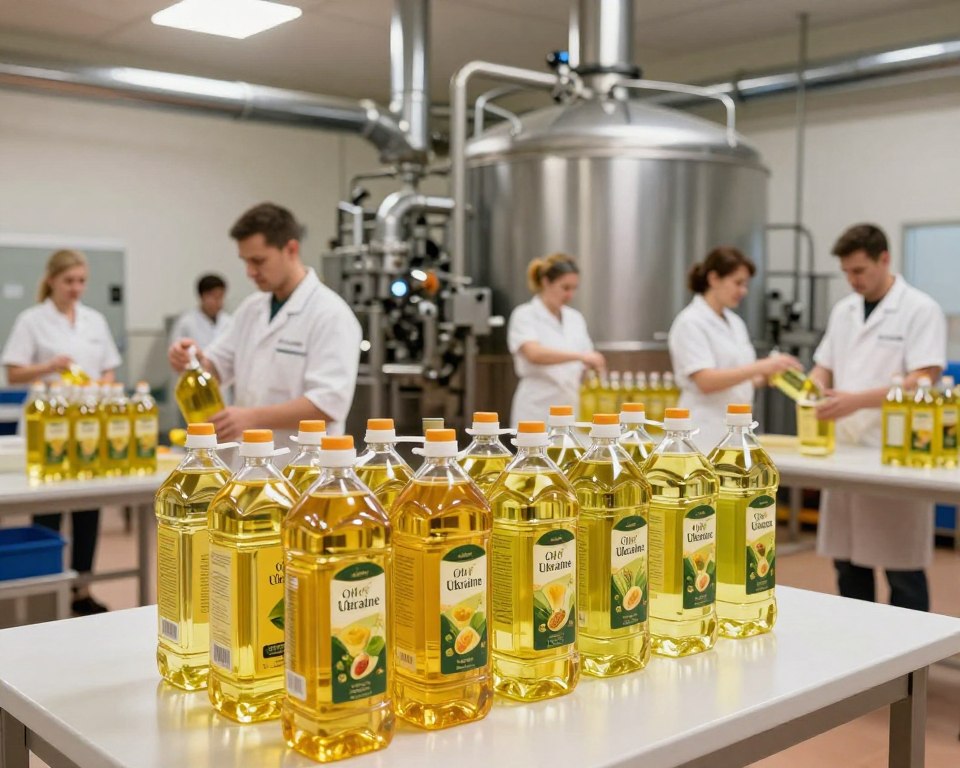
The world of cooking fats is vast, with each type bringing its own special qualities. Cooking oil manufacturers offer a wide range of oils, each suited for different cooking tasks and tastes.
Common Types of Vegetable Oils Available
Many people use canola, sunflower, and soybean oil for everyday cooking. These oils are loved for their mild flavor and ability to handle high heat. They are common in Australian kitchens. For those who want to add unique flavors to their dishes, oils like cold-pressed extra virgin olive oil or avocado oil are great. Choosing the right oil depends on what you're cooking, like a salad or a steak.Nutritional Benefits of Vegetable Oils
Plant-based fats are full of good fats that help your heart. Chefs who care about health often choose oils from organic cooking oil distributors. This ensures their oils are free from harmful chemicals. These oils also carry vitamins like Vitamin E well. By picking high-quality, pure oils, you boost the nutrition of your meals.Choosing the Right Oil for Your Cooking Style
It's important to match an oil with your cooking method for the best taste. You need to know the smoke point of an oil. This is the temperature at which it starts to smoke and break down. For cooking at high heat, like stir-frying, use oils with a high smoke point. This prevents them from tasting bitter. On the other hand, delicate oils are better for finishing dishes or making cold preparations. Buying from trusted organic cooking oil distributors means you get top-quality oils. Always check the label to make sure the oil is extracted the way you prefer.The Role of Vegetable Cooking Oils in Culinary Techniques
Vegetable oils are key in cooking, from wok heat to cake crumb. They help cook ingredients evenly and add texture. Knowing the viscosity and flavor profile of your oil is essential for cooking skills.
Using Oils for Sautéing and Stir-Frying
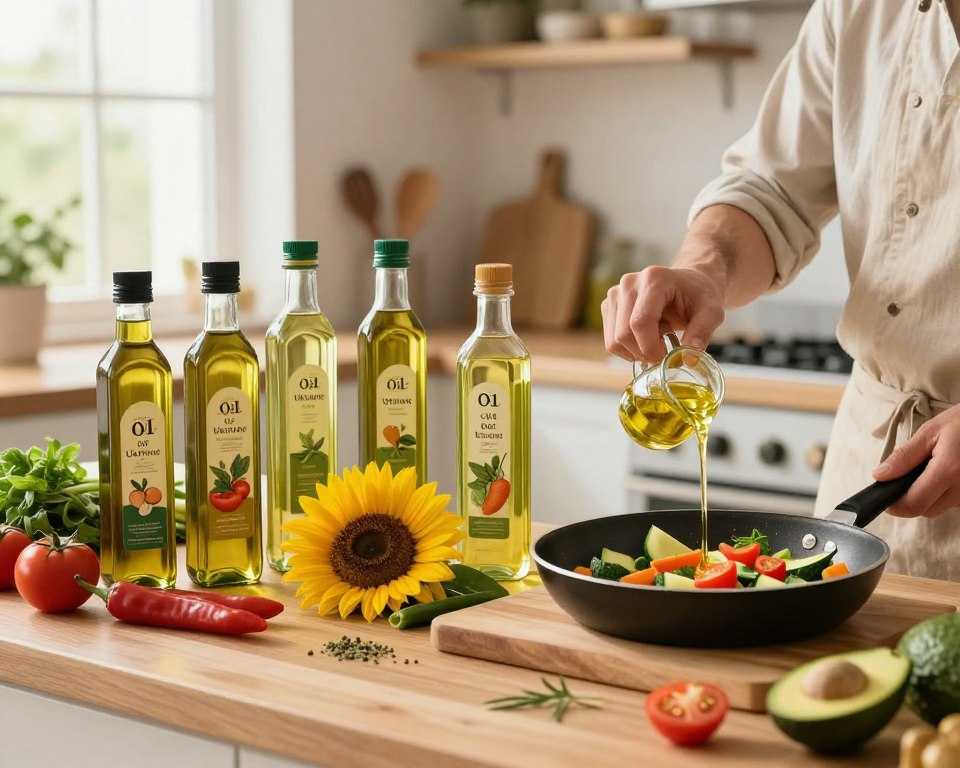
For stir-fries, the oil must handle high heat without burning. A high smoke point is essential to avoid bad tastes. Neutral oils like canola or sunflower are best because they let food flavors stand out. For sautéing, a thin oil layer is needed. This method cooks food quickly, making it golden-brown. Make sure the pan is hot before adding food for the best results.Baking with Vegetable Oils: Tips and Tricks
Baking needs fats that stay liquid at room temperature for moist results. Vegetable oils are better than butter because they keep baked goods light. They also don't affect the taste of spices or extracts. When replacing butter with oil, use three parts oil to four parts butter. This keeps baked goods light. Always measure oil carefully for the right texture.Enhancing Flavors through Oil Infusions
Oil infusions add deep flavors to dishes. By heating oil with herbs or garlic, you get strong tastes. These are great for roasted veggies or salads. Keep homemade infusions in the fridge and use them within days. This keeps flavors fresh and prevents bacteria. Try different mixes to customize your cooking.| Technique | Recommended Oil Type | Primary Benefit |
|---|---|---|
| Stir-Frying | High Smoke Point (Canola) | Prevents burning at high heat |
| Baking | Neutral Flavor (Sunflower) | Maintains moisture and texture |
| Infusions | Light Base (Grapeseed) | Carries aromatic herb flavors |
| Sautéing | Refined Vegetable Oil | Provides even heat distribution |
Tips for Selecting Quality Vegetable Cooking Oil Suppliers
Choosing high quality cooking oil suppliers is key for any kitchen or food business. The quality of your ingredients affects your dishes' taste and texture. Look for vegetable cooking oil suppliers who are transparent and operate well.
Factors to Consider When Choosing Suppliers
Don't just look at the price. Good bulk vegetable oil suppliers focus on food safety and a strong supply chain. Here are important things to check:- Certification Standards: Make sure they follow HACCP or ISO food safety systems.
- Logistics and Reliability: Check if they can deliver on time to keep your kitchen running smoothly.
- Product Purity: Ask for details on how the oil is refined and what additives are used.
Best Practices for Evaluating Oil Quality
Checking oil quality is more than just looking at it. You should taste it to see if it has a neutral smell and clear color. Always ask for a Certificate of Analysis (COA) for each batch. A good supplier will share information about the oil's smoke point and fatty acid content. This helps you choose the right oil for your cooking. Also, ask about how they store the oil to make sure it's not damaged during shipping.Recommendations for Trusted Suppliers in Australia
In Australia, look for best vegetable oil suppliers with a strong local presence. Many people prefer vegetable oil suppliers near me to save on shipping and support local farmers. Choose suppliers who communicate well and are quick to respond."Quality ingredients are the foundation of every great meal, and the integrity of your supply chain is the first step toward culinary excellence."Focus on local wholesalers who care about sustainability and quality control. Check their reputation through industry connections and trade associations. This way, you'll find the most reliable partners in Australia.
Essential Cooking Techniques Utilizing Vegetable Oils
Vegetable oils are key in many kitchen techniques, from frying to making emulsions. Knowing the smoke point of your oil helps you cook with confidence. Many chefs buy cooking oil in bulk to keep quality and costs down.
Deep Frying: Techniques and Safety Tips
Deep frying needs oil with a high smoke point to avoid fat breakdown. Keep the oil temperature steady at 170°C to 190°C for crispy food. Never fill your fryer too much to avoid oil displacement and uneven cooking. Always prioritize safety when working with hot oil. Have a grease fire extinguisher ready. Also, make sure food is dry before frying to prevent splatters.Roasting and Grilling with Vegetable Oil
Vegetable oils help get a perfect sear on proteins and veggies. A thin layer of oil ensures even heat and a tasty crust. This keeps juices inside. Grilling? Brush the grates with oil to prevent sticking and get nice char marks. This step improves your dish's look and feel. Using oil consistently is key to great roasting.Incorporating Oils into Dressings and Marinades
Vegetable oil is great for making dressings and marinades. It carries flavors well, making your dishes taste better. Buying oil in bulk helps manage costs for large batches. Oil and vinegar or citrus make creamy dressings that last. Whether for marinades or vinaigrettes, good oil makes a big difference. Buying in bulk keeps your kitchen's quality high.Storing Vegetable Cooking Oils for Maximum Freshness
Storing your cooking oils right is key to keeping them fresh and flavorful. Light, heat, and oxygen can spoil them quickly. By storing them well, you keep your meals tasting great.Maintaining Optimal Conditions
Store your bottles in a cool, dark place, away from the stove or oven. Sunlight and changing temperatures can cause spoilage. Always close the caps tightly to keep air out.Identifying Signs of Spoilage
Rancid oil smells bad, like metal or crayons. It might look different or feel sticky. If it smells off, throw it away to keep your food safe and tasty.Managing Shelf Life
Most refined oils last about a year if stored right. But unrefined or cold-pressed oils need to be refrigerated after opening. Always check the best-before dates to know when to use them. Learning how to store your oils well lets you cook with confidence. Share your favorite recipes or ask about your kitchen. The right ingredients and care are the start of better cooking.FAQ
Q: What are the primary factors to consider when selecting vegetable cooking oil suppliers?
A: When looking for the best vegetable oil suppliers, chefs and managers focus on a few key things. They look for oils with consistent smoke points and safety certifications like HACCP. They also want clear supply chains.Top cooking oil manufacturers like Cargill or MSM Milling give detailed technical data sheets. This ensures their oils meet the heat-stability needs of kitchens.
Q: How can I locate high quality cooking oil suppliers or vegetable oil suppliers near me?
A: To find reliable vegetable oil suppliers near me, research distributors focused on the Australian food service. Peerless Foods is a good example. Choosing high quality cooking oil suppliers means getting fresh, stable fats.These fats are stored and transported well to prevent early oxidation.
Q: Why should commercial kitchens choose to buy cooking oil in bulk?
A: Buying cooking oil in bulk is smart for kitchens that fry or roast a lot. Working with bulk vegetable oil suppliers or vegetable oil wholesalers saves money. It also cuts down on packaging waste.This helps businesses keep profit margins high and ensures a steady supply of ingredients.
Q: What is the benefit of sourcing from organic cooking oil distributors?
A: Organic cooking oil distributors offer oils made without synthetic chemicals or hexane. These oils are good for health-conscious places. They taste cleaner and keep more of the natural nutrients.
Q: How do the smoke points of different oils affect various culinary techniques?
A: Smoke point is when an oil starts to break down and smoke. This can make food taste bitter. High quality cooking oil suppliers have oils like canola or grapeseed for high-heat cooking.Unrefined oils from organic cooking oil distributors are better for low-heat cooking or dressings.
Q: What are the best practices for storing oils purchased from vegetable oil wholesalers to prevent rancidity?
A: To keep oils fresh, store them in a cool, dark place away from heat and sunlight. Oils can go bad if exposed to oxygen, light, or heat. So, always seal lids tightly after use.
Q: Can vegetable oil be used as a direct substitute for solid fats in professional baking?
A: Yes, vegetable oils are used in baking for moist, tender crumbs. They are liquid at room temperature, unlike butter. Bakers look for neutral-flavored oils with the right viscosity for even batter distribution.