


How to Choose the Best Solid Fats for Frying in Australia
Getting the perfect crunch in your kitchen starts with the right ingredients. In Australia, many cooks forget how important solid fats for frying are. Choosing high-quality fats makes your dishes light, crispy, and delicious every time.
It's key to know the science behind your pantry staples. You need to think about the smoke point and thermal stability. If your fat breaks down too fast, it can ruin the taste and texture of your food.
Choosing the right fat changes how your fried foods taste and feel. By learning these basics, you improve your cooking and make healthier, tastier meals. Let's dive into how to make better choices for your cooking.
Key Takeaways
- Prioritize high smoke points to prevent oil degradation during high-heat cooking.
- Stability is the most important factor for achieving a consistent, crispy texture.
- Understand how different lipid profiles affect the nutritional value of your fried dishes.
- Proper storage of your cooking medium extends its shelf life and maintains flavor quality.
- Selecting premium ingredients leads to cleaner tastes and better digestion.
Understanding Solid Fats: Definition and Characteristics
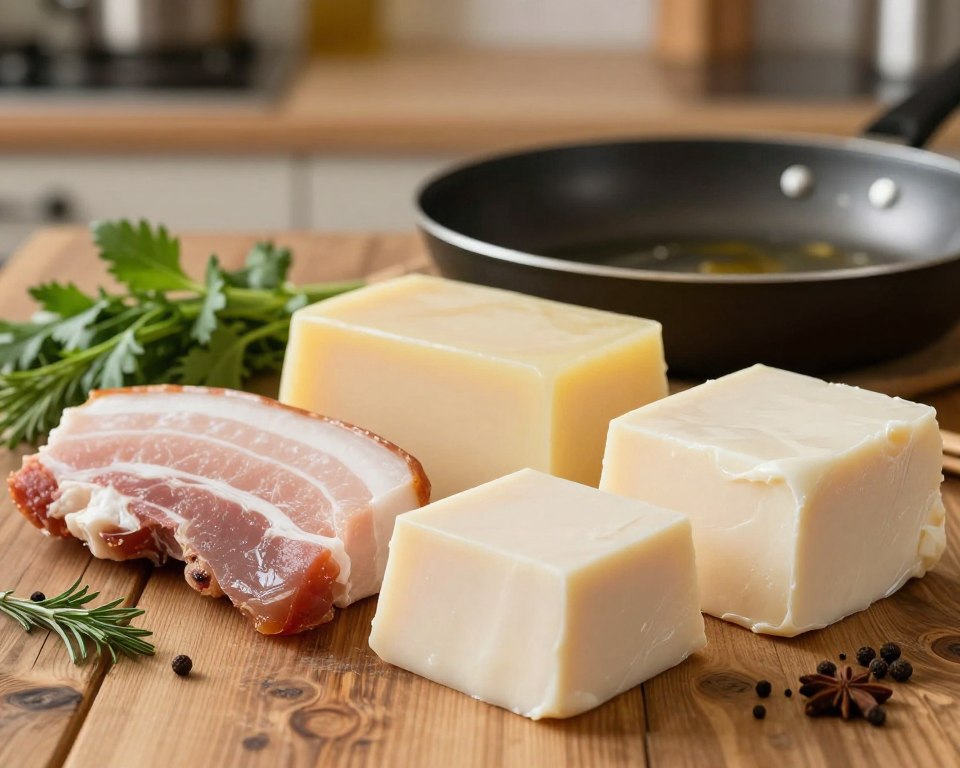
Solid fats have special chemical properties that make them different from liquid oils when cooking. They stay semi-solid or solid at room temperature. This affects how they act when heated up.
Looking at solid fats for frying, their molecular structure is key. They have more saturated fatty acids. This makes them more stable under heat than unsaturated liquid oils.
What Are Solid Fats?
The main difference between solid fats vs. liquid fats for frying is their melting points and how they handle heat. Solid fats, being more saturated, don't break down as quickly under high heat.
This stability keeps the fat's quality during cooking. Many chefs choose them for their consistent texture and taste.
Common Types of Solid Fats for Frying
Australian kitchens use various solid fats for different dishes. Knowing the types of solid fats for frying helps pick the right one for your recipe. Whether it's traditional pastries or savory fried snacks.
- Lard: Rendered pork fat known for its exceptional crisping ability.
- Coconut Oil: A plant-based solid fat that offers a high smoke point and subtle flavor.
- Butter: A classic choice, though it requires careful temperature management due to its milk solids.
Health Considerations When Choosing Solid Fats
Your choice of cooking fat greatly affects the nutritional value of fried dishes. Flavor is key, but knowing the science helps pick healthy frying fats. This balance makes cooking better for you.
Saturated vs. Unsaturated Fats
The fat's chemical structure is key when cooking at high temperatures. Saturated fats for frying are stable and don't break down easily. This keeps the fat safe from turning into harmful compounds.
Unsaturated fats, on the other hand, are more delicate. They can break down quickly under intense heat. For deep-frying, saturated fats are better for keeping ingredients intact.
Trans Fats: What You Need to Know
Avoiding artificial trans fats is vital for good health. These fats are made by changing vegetable oils to be solid at room temperature. Trans fats in frying are bad for your health and should be avoided.
Always check labels for products without partially hydrogenated oils. Choosing natural, unprocessed options helps avoid trans fats. This way, you can enjoy crispy foods while staying healthy.
Popular Solid Fats for Frying in Australia
In local supermarkets, you'll find different types of solid fats for frying that work well under heat. Picking the right fat is key for the perfect texture and taste in your dishes. Whether it's traditional snacks or new recipes, knowing these fats helps you get pro results at home.
Lard: Benefits and Uses
Lard is a top choice for deep frying because it has a high smoke point. It makes food crispy and light. Many classic recipes use high-quality pork fat for that golden look. It's great for frying savory items like croquettes or battered veggies.
Coconut Oil: Versatility in the Kitchen
Coconut oil is popular in Australian kitchens for its high heat stability. Refined coconut oil has a neutral taste, making it perfect for those who don't want a coconut smell in their fried foods. Look for top solid fats brands for frying in health food sections for organic, cold-pressed options.
Butter: A Classic Choice
Butter is loved for its rich flavor, but it needs careful use when frying. It can burn quickly because of milk solids. It's best suited for quick frying where its taste can really stand out.
| Fat Type | Smoke Point | Best Use | Flavor Profile |
|---|---|---|---|
| Lard | High | Deep Frying | Neutral/Savory |
| Coconut Oil | High | General Frying | Neutral (Refined) |
| Butter | Low | Shallow Frying | Rich/Creamy |
Cooking Properties of Solid Fats
The quality of your frying medium is key. It's all about how well it holds up at high heat. When you look at solid fats vs. liquid fats for frying, their room temperature state tells you a lot. This knowledge helps you pick the best fat for your cooking.
Smoke Points and Frying Temperatures
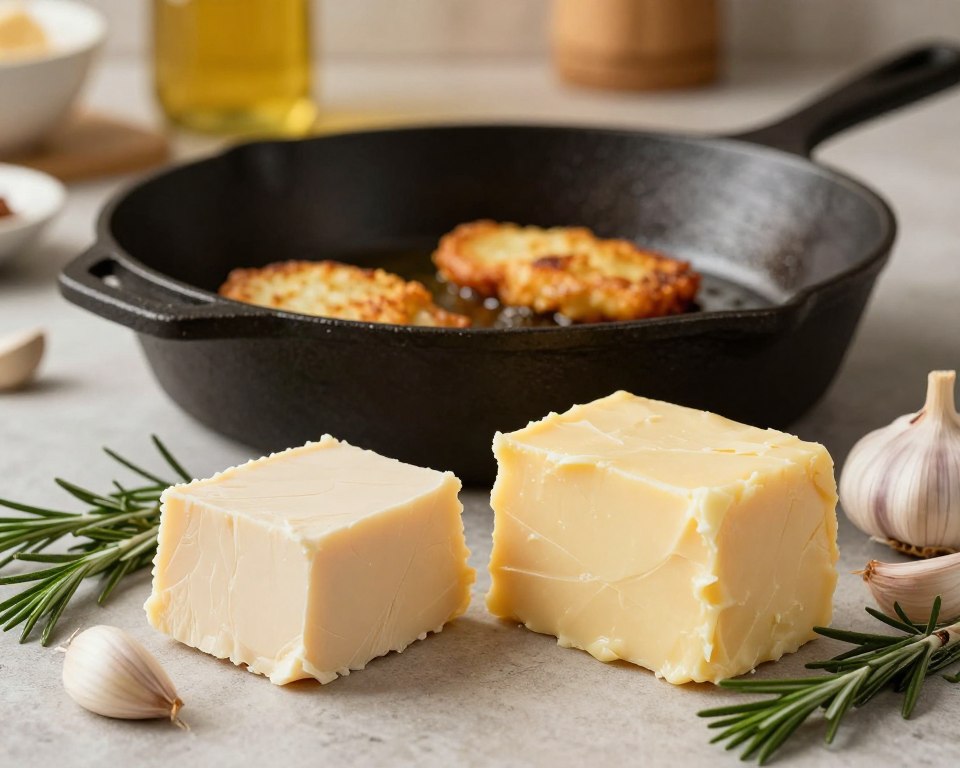
The smoke point is when a fat starts to smoke and break down. Using solid fats cooking oils with high smoke points is important. It keeps your food from tasting bitter and ensures it stays healthy.
Most solid fats are saturated, making them more stable than many liquid oils. This stability means they stay consistent, even at high heat. Consistency is what makes a kitchen professional.
Flavor Profiles and Cooking Applications
The right fat can change your dish's texture. Many chefs choose solid fats for crispy frying because they make food crunchy. Solid fats also leave a cleaner finish, unlike some oils.
The flavor of your fat also affects your food. For example, lard adds a savory taste, while coconut oil brings a hint of sweetness. Here's a comparison to help you choose:
| Fat Type | Smoke Point | Best Use | Flavor Impact |
|---|---|---|---|
| Refined Lard | High | Deep Frying | Neutral/Savory |
| Coconut Oil | Medium-High | Stir-Frying | Mild Tropical |
| Butter (Clarified) | High | Pan-Frying | Rich/Nutty |
Nutritional Aspects of Solid Fats
Understanding solid fats is key to balancing them in your diet. They add great texture and flavor but are high in calories. Using healthy frying fats wisely means eating them in moderation.
Caloric Content and Portion Control
Solid fats pack a lot of energy, so it's easy to eat too much. Portion control helps you enjoy fried foods without harming your health. Measuring fats instead of pouring them helps you keep track of how much you're eating.
Remember, a little saturated fats for frying is enough. They cook well at high temperatures. But, they should be part of a balanced diet, not the main focus.
Vitamins and Nutrients Found in Solid Fats
Not all fats are the same in terms of nutrition. High-quality butter or lard, for example, has important vitamins like Vitamin A and Vitamin E. These vitamins are good for your immune system and skin.
Choosing natural fats can add some nutritional value to your cooking. Using healthy frying fats in your recipes can be beneficial. Just make sure your use of saturated fats for frying fits within your diet for a healthy lifestyle.
Environmental Impact of Solid Fats
The way you choose fats for frying affects the environment. Many people now consider how ingredients are made, processed, and shipped. By picking products with a smaller carbon footprint, you support a greener food system and keep your cooking top-notch.
Sustainable Sourcing of Fats
Today's production methods use a lot of natural resources. Many top solid fats brands for frying are now open about where they get their ingredients. They focus on fair farming and cutting down waste in their supply chains.
Transparency helps you make better choices. When brands share details about their sources, you can see if they use eco-friendly methods. Supporting these brands pushes the industry to be more eco-friendly.
Local vs. Imported Options
Choosing Australian-made products is better for the environment than imported ones. Shipping long distances uses a lot of fuel, which adds to carbon emissions. Buying local means your food travels less from farm to table.
Also, local top solid fats brands for frying follow strict Australian rules. These rules make sure land and animal care are top priorities. Here's a table showing the main differences between local and imported fats for your kitchen.
| Factor | Local Australian Fats | Imported Fats |
|---|---|---|
| Transportation Emissions | Low (Short distance) | High (Long distance) |
| Regulatory Oversight | Strict Australian Standards | Varies by Country |
| Supply Chain Transparency | High | Often Limited |
| Support for Local Economy | Direct Benefit | Minimal |
Tips for Frying with Solid Fats
Getting the most out of your fried dishes starts with managing your fats well. Simple habits can make a big difference. They keep your ingredients fresh and ready to cook at their best.
Proper Storage and Handling
Keeping your solid fats cooking oils in top shape is easy. Store them in a cool, dark place. Light, heat, and air can cause them to go bad faster.
Use airtight containers for your fats. Consistency in temperature is important. Don't put your containers near the stove or in sunlight. In warm places like Australia, store them in a pantry or cupboard away from heat.
Best Techniques for Frying
Getting the best fats for deep frying results is all about heat control. Keep the oil at the right temperature for even cooking without too much grease.
If the oil gets too cold, your food will be soggy. Too hot, and it will smoke. A kitchen thermometer is the best tool for keeping the temperature just right.
| Practice | Action | Benefit |
|---|---|---|
| Storage | Cool, dark cupboard | Prevents rancidity |
| Preparation | Use a thermometer | Ensures even cooking |
| Maintenance | Filter after use | Extends oil lifespan |
| Safety | Avoid overcrowding | Maintains temperature |
Mastering these basics will make your solid fats cooking oils last longer. These small changes will help you get the best fats for deep frying results at home.
Conclusion: Making Informed Choices for Frying
Choosing the right fat makes your home cooking feel like a pro's job. You now know how to pick stable fats that make your food taste better and feel crunchier.
Key Takeaways for Better Cooking
Using top-notch ingredients is key to kitchen success. Always try to cut down on trans fats to keep your food tasty and healthy. Opting for stable fats helps you get that perfect golden color on your dishes.
Achieving Excellence in Australian Kitchens
Using the right solid fats for frying makes a big difference in your fried foods' quality. Look for brands like Peerless Foods or local Australian lard makers for good options. Mix your old recipes with new health tips to make your meals tasty and good for you. Your focus on quality ingredients will make your cooking better every day.