


A How-to Guide on Cooking Oil for Commercial Use in Australia
Choosing the right fats is a critical decision for any professional kitchen in Australia. Chefs know that the right medium to heat ingredients is key. Using the right cooking oil ensures your menu stays top-notch every day.
Choosing quality cooking oil for restaurants affects your dishes' flavor and your kitchen's efficiency. Premium products cut down on waste and make your fried or sautéed dishes consistent. This guide helps you find, store, and follow the rules for cooking oil in Australia.
Key Takeaways
- Understand the vital role of fat selection in professional Australian kitchens.
- Learn how premium products enhance the flavor profile of your menu.
- Discover methods to improve operational efficiency through better ingredient choices.
- Gain insights into maintaining consistent culinary standards across your establishment.
- Navigate the complexities of Australian regulatory compliance and storage requirements.
Understanding the Types of Cooking Oil for Commercial Use
Choosing the right cooking oil is key for any professional kitchen in Australia. The taste and quality of your dishes depend on the oil you pick for different tasks.
Common Cooking Oils in the Industry
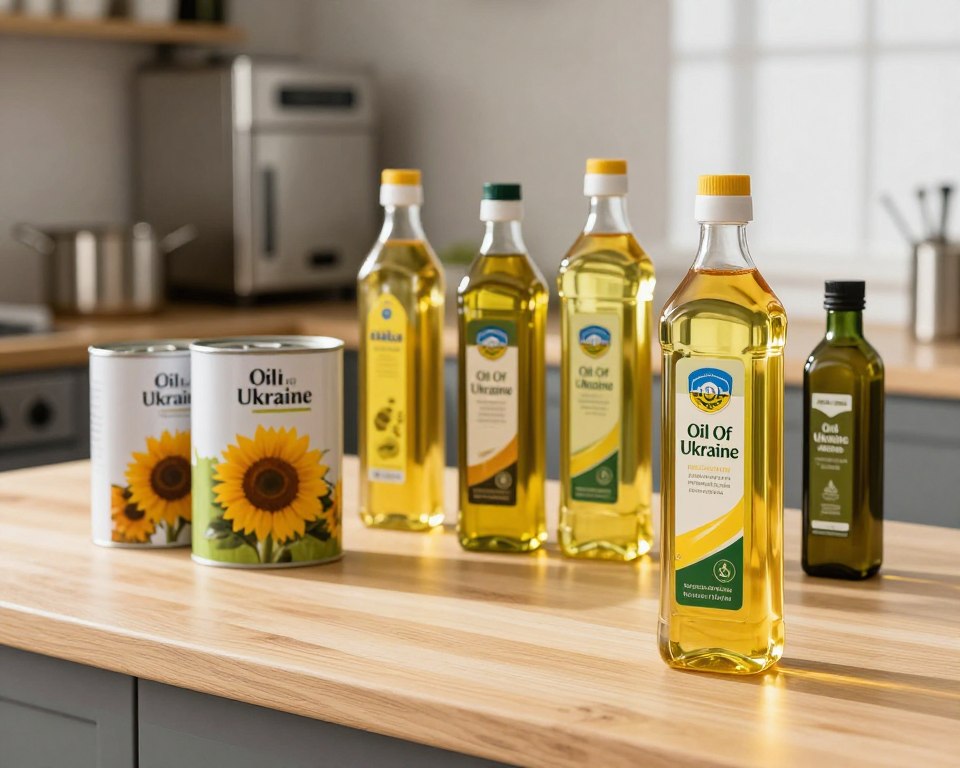
Most kitchens use neutral-flavored fats that can handle high heat. Canola and sunflower oils are favorites because they don't change the taste of food.
Finding the best oil for deep frying is critical for that perfect golden color. These oils must stay stable at high heat to avoid bad flavors in fried foods.
"Quality oil is the silent partner in every successful dish, providing the necessary canvas for flavors to shine without distraction."
Specialty Oils and Their Applications
Specialty oils like cold-pressed olive or toasted sesame oil add flavor to dressings and final touches. They're not good for high heat because of their low smoke points.
Chefs need a reliable high heat cooking oil for searing or stir-frying at high intensity. Refined avocado oil or grapeseed oil work well in these situations because they hold up under pressure.
- Avocado Oil: Ideal for high-heat searing due to its high smoke point.
- Extra Virgin Olive Oil: Best reserved for cold applications and finishing.
- Toasted Sesame Oil: Used sparingly for aromatic depth in Asian-inspired dishes.
Health Considerations for Cooking Oils
Today, chefs focus on the fat profiles of their oils. They look at the balance of monounsaturated and polyunsaturated fats to offer healthier options.
Transparency in oil sources is now a must. By picking oils with less saturated fat, kitchens can meet health standards while keeping up with cooking oil for commercial use expectations.
Factors to Consider When Choosing Cooking Oil
Choosing the right cooking oil is key for a successful kitchen. It must balance taste and cost. Chefs need to pick oils that work well with heat and ingredients.
Smoke Point and Its Importance
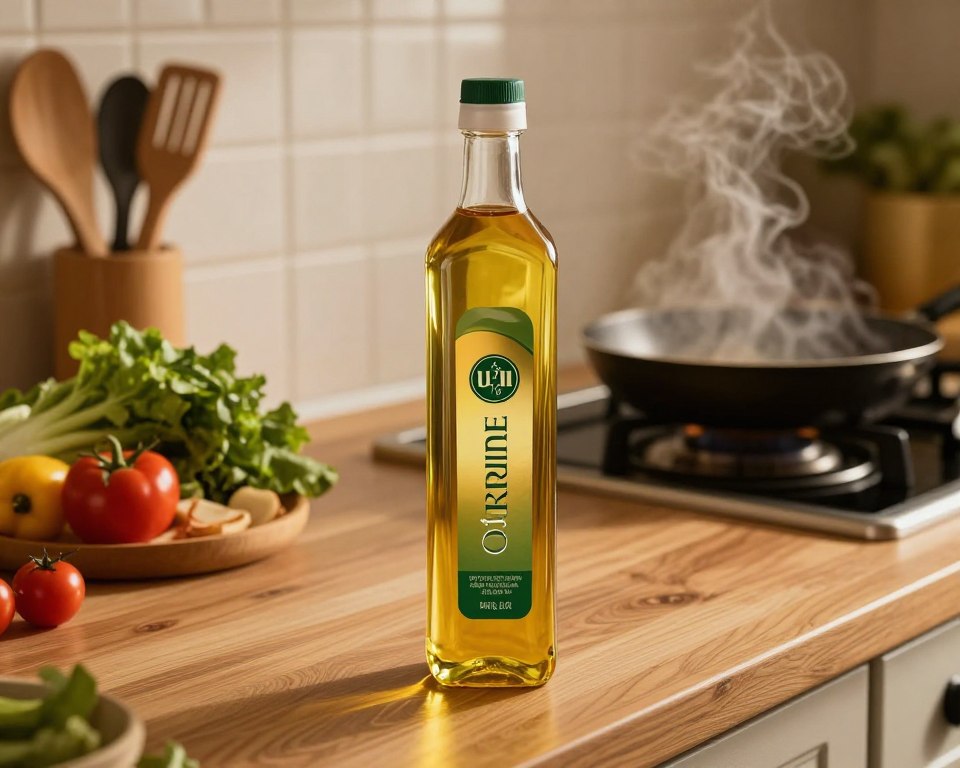
The smoke point is when oil starts to break down and smoke. Using high heat cooking oil is vital for frying and searing. This prevents the oil from burning and keeps food tasting good.
Always check the oil's smoke point before using it at high temperatures. Choosing an oil with a high smoke point keeps your kitchen clean. Reliability under pressure is important for professional oils.
Flavor Profiles of Various Oils
Each oil has its own flavor, from neutral to nutty or earthy. Neutral oils are best for frying because they let ingredients' flavors stand out. Specialty oils add depth to dressings or drizzles.
Think about how you'll use the oil. A strong-flavored oil can overpower a dish, while a neutral one might lack flavor. Choosing the right oil can make your dishes better.
Cost-Effectiveness for Bulk Purchases
Keeping food costs down is essential for any business. Working with wholesale vegetable oil suppliers helps you save money. Buying cooking oil in bulk cuts down on delivery costs and lowers the price per unit.
It's smart to compare bulk cooking oil suppliers for the best price and quality.
Sustainable Sourcing of Cooking Oils
Sustainability is key for Australian food businesses wanting to lessen their environmental footprint. By looking at the whole life of their products, they can choose wisely. This helps the planet and boosts their reputation.
Importance of Sourcing Responsibly
Choosing ingredients made ethically is vital. Working with bulk cooking oil suppliers who care about the environment and fair labor is smart. It ensures your kitchen uses products made right.
Knowing where your oils come from is critical. It lets businesses keep high standards and meet eco-aware customers' needs in Australia.

Certifications to Look For
Spotting real certifications proves your supplies are made ethically. Look for the Roundtable on Sustainable Palm Oil (RSPO) or organic labels with wholesale vegetable oil suppliers.
These labels mean the oil was made without harming nature. Using verified documents helps avoid false claims. It shows your commitment to sustainability is real.
Local vs. Imported Oils
Deciding between local and imported oils has its pros and cons. Choosing Australian products cuts down on shipping's carbon impact.
Supporting local farmers also boosts the economy and gives you fresher oils. Working with industrial cooking oil suppliers in Australia means better delivery times and a closer connection to your ingredients.
Sustainability is not just a trend; it is a fundamental shift in how we approach food production and consumption in the modern commercial landscape.
Storage and Shelf Life of Cooking Oils
Understanding how to store cooking oil in bulk is key to managing your inventory. Proper storage keeps your ingredients fresh by preventing oxidation. This way, every drop stays safe and flavorful for your customers.

Best Practices for Storing Oils
Keep containers in a cool, dark, and dry place. Heat, light, and oxygen can harm your oil. Always seal lids tightly after use to keep air out.
For cooking oil in bulk, use stainless steel or opaque plastic containers. These protect better than clear glass or thin plastic. Store them away from ovens and direct sunlight to prevent damage.
"The longevity of your oil is directly proportional to the care taken during storage; even the highest quality product will fail if left exposed to heat and light."
Signs of Spoiled Oil
Train kitchen staff to check oil regularly. A bad smell means the oil has oxidized and is no longer good. You might also notice a metallic or soapy smell before heating.
Look out for visual signs too. Cloudy oil, a thick or gummy texture, or color changes mean it's spoiled. Never use oil that looks or smells bad, as it can ruin your dishes and be unsafe.
Choosing the right fats is a critical decision for any professional kitchen in Australia. Chefs know that the right medium to heat ingredients is key. Using the right cooking oil ensures your menu stays top-notch every day.
Choosing quality cooking oil for restaurants affects your dishes' flavor and your kitchen's efficiency. Premium products cut down on waste and make your fried or sautéed dishes consistent. This guide helps you find, store, and follow the rules for cooking oil in Australia.
Key Takeaways
- Understand the vital role of fat selection in professional Australian kitchens.
- Learn how premium products enhance the flavor profile of your menu.
- Discover methods to improve operational efficiency through better ingredient choices.
- Gain insights into maintaining consistent culinary standards across your establishment.
- Navigate the complexities of Australian regulatory compliance and storage requirements.
Understanding the Types of Cooking Oil for Commercial Use
Choosing the right cooking oil is key for any professional kitchen in Australia. The taste and quality of your dishes depend on the oil you pick for different tasks.
Common Cooking Oils in the Industry
Most kitchens use neutral-flavored fats that can handle high heat. Canola and sunflower oils are favorites because they don't change the taste of food.
Finding the best oil for deep frying is critical for that perfect golden color. These oils must stay stable at high heat to avoid bad flavors in fried foods.
"Quality oil is the silent partner in every successful dish, providing the necessary canvas for flavors to shine without distraction."
Specialty Oils and Their Applications
Specialty oils like cold-pressed olive or toasted sesame oil add flavor to dressings and final touches. They're not good for high heat because of their low smoke points.
Chefs need a reliable high heat cooking oil for searing or stir-frying at high intensity. Refined avocado oil or grapeseed oil work well in these situations because they hold up under pressure.
- Avocado Oil: Ideal for high-heat searing due to its high smoke point.
- Extra Virgin Olive Oil: Best reserved for cold applications and finishing.
- Toasted Sesame Oil: Used sparingly for aromatic depth in Asian-inspired dishes.
Health Considerations for Cooking Oils
Today, chefs focus on the fat profiles of their oils. They look at the balance of monounsaturated and polyunsaturated fats to offer healthier options.
Transparency in oil sources is now a must. By picking oils with less saturated fat, kitchens can meet health standards while keeping up with cooking oil for commercial use expectations.
Factors to Consider When Choosing Cooking Oil
Choosing the right cooking oil is key for a successful kitchen. It must balance taste and cost. Chefs need to pick oils that work well with heat and ingredients.
Smoke Point and Its Importance
The smoke point is when oil starts to break down and smoke. Using high heat cooking oil is vital for frying and searing. This prevents the oil from burning and keeps food tasting good.
Always check the oil's smoke point before using it at high temperatures. Choosing an oil with a high smoke point keeps your kitchen clean. Reliability under pressure is important for professional oils.
Flavor Profiles of Various Oils
Each oil has its own flavor, from neutral to nutty or earthy. Neutral oils are best for frying because they let ingredients' flavors stand out. Specialty oils add depth to dressings or drizzles.
Think about how you'll use the oil. A strong-flavored oil can overpower a dish, while a neutral one might lack flavor. Choosing the right oil can make your dishes better.
Cost-Effectiveness for Bulk Purchases
Keeping food costs down is essential for any business. Working with wholesale vegetable oil suppliers helps you save money. Buying cooking oil in bulk cuts down on delivery costs and lowers the price per unit.
It's smart to compare bulk cooking oil suppliers for the best price and quality.
Sustainable Sourcing of Cooking Oils
Sustainability is key for Australian food businesses wanting to lessen their environmental footprint. By looking at the whole life of their products, they can choose wisely. This helps the planet and boosts their reputation.
Importance of Sourcing Responsibly
Choosing ingredients made ethically is vital. Working with bulk cooking oil suppliers who care about the environment and fair labor is smart. It ensures your kitchen uses products made right.
Knowing where your oils come from is critical. It lets businesses keep high standards and meet eco-aware customers' needs in Australia.
Certifications to Look For
Spotting real certifications proves your supplies are made ethically. Look for the Roundtable on Sustainable Palm Oil (RSPO) or organic labels with wholesale vegetable oil suppliers.
These labels mean the oil was made without harming nature. Using verified documents helps avoid false claims. It shows your commitment to sustainability is real.
Local vs. Imported Oils
Deciding between local and imported oils has its pros and cons. Choosing Australian products cuts down on shipping's carbon impact.
Supporting local farmers also boosts the economy and gives you fresher oils. Working with industrial cooking oil suppliers in Australia means better delivery times and a closer connection to your ingredients.
Sustainability is not just a trend; it is a fundamental shift in how we approach food production and consumption in the modern commercial landscape.
Storage and Shelf Life of Cooking Oils
Understanding how to store cooking oil in bulk is key to managing your inventory. Proper storage keeps your ingredients fresh by preventing oxidation. This way, every drop stays safe and flavorful for your customers.
Best Practices for Storing Oils
Keep containers in a cool, dark, and dry place. Heat, light, and oxygen can harm your oil. Always seal lids tightly after use to keep air out.
For cooking oil in bulk, use stainless steel or opaque plastic containers. These protect better than clear glass or thin plastic. Store them away from ovens and direct sunlight to prevent damage.
"The longevity of your oil is directly proportional to the care taken during storage; even the highest quality product will fail if left exposed to heat and light."
Signs of Spoiled Oil
Train kitchen staff to check oil regularly. A bad smell means the oil has oxidized and is no longer good. You might also notice a metallic or soapy smell before heating.
Look out for visual signs too. Cloudy oil, a thick or gummy texture, or color changes mean it's spoiled. Never use oil that looks or smells bad, as it can ruin your dishes and be unsafe.
Cooking Oil Regulations and Standards in Australia
Every food business owner must understand Australian food safety laws. It's not just about quality; it's about keeping people safe and following the law. Working with trusted industrial cooking oil suppliers ensures your oil meets safety standards.
Food Safety Regulations for Oils
The Food Standards Code sets rules for handling cooking oils in Australia. Kitchens must stay clean to avoid oil problems. They also need to dispose of oil safely to protect the environment and health.
- Regularly check oil quality to stop it from going bad.
- Keep oil temperatures right during deep frying.
- Have clear plans for getting rid of used fats and oils.
Labeling Requirements
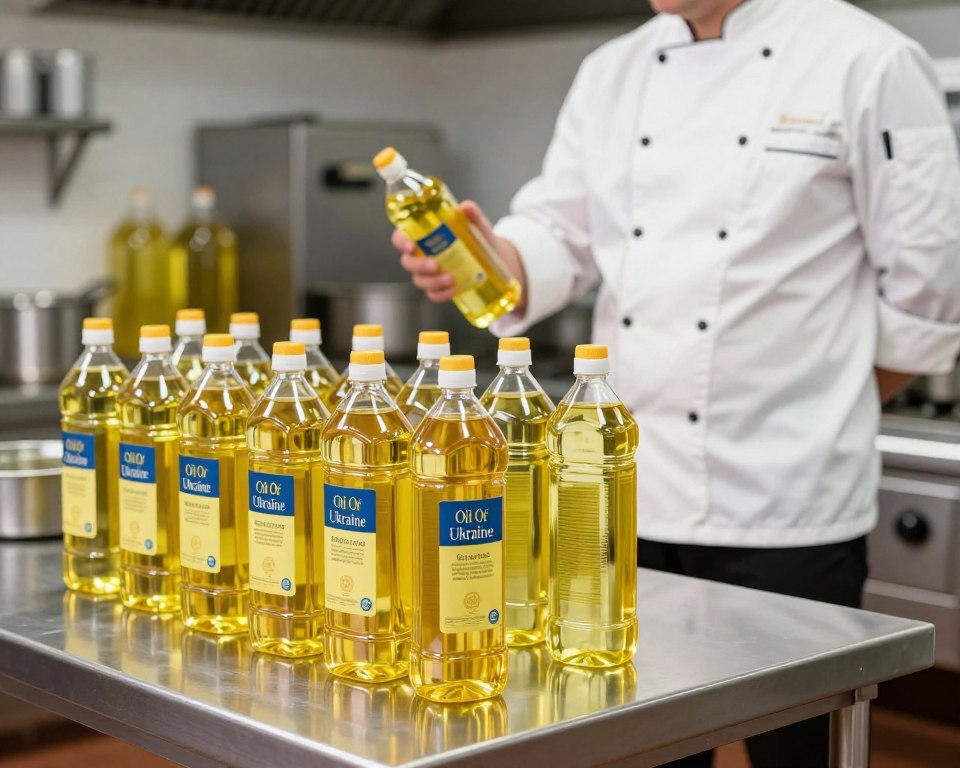
Businesses must label oils clearly when they repackage or process them. Labels need to show what's in the oil, any allergens, and when it expires. This is key for tracking during food safety checks.
Labels must also say where the oil comes from and what's in it. Not doing this can result in big fines and harm your business's image. Always check your labels against the latest from Food Standards Australia New Zealand (FSANZ).
Compliance with Industry Standards
Following industry standards closely helps avoid legal trouble and keeps your business running. It's important to work with industrial cooking oil suppliers who offer certified products. They can help you stay in line with the rules.
By focusing on these rules, you make your workplace safer for everyone. Regular checks and training for your team are strongly advised. Choosing professional industrial cooking oil suppliers keeps your supply chain safe and follows health department rules.
Tips for Using Cooking Oil Efficiently
To make your kitchen more efficient, you need a smart plan for oil use. High costs often come from bad oil handling. But, with the right methods, you can save money.
Every liter you save means more profit for you.
Reducing Waste Through Smart Filtration
Filtration is key to keeping oil clean. It removes food bits that make oil go bad faster. Using digital testers helps you know when oil is good to use.
This way, you get the most out of your cooking oil.
Safe Reusing and Modern Technology
Reusing oil is okay if you control the temperature and filter it right. New frying systems from Henny Penny or Frymaster help a lot. They keep the oil at the perfect heat.
Using these systems saves oil and keeps costs down. Check how you fry today to find ways to improve. Paying attention to these details makes your menu better and saves money.
FAQ
Why is selecting a specific cooking oil for commercial use critical for Australian kitchens?
Choosing the right cooking oil is key for flavor and efficiency. In Australia's fast-paced food scene, the right oil keeps dishes tasting great. It also means changing oil less often, saving money.
Which varieties are considered the best oil for deep frying in a high-volume environment?
For deep frying, look for oils that stay stable at high temperatures. Refined canola, sunflower oil, and blends from Goodman Fielder or Peerless Foods are good. They keep food tasting great without adding bad flavors.
How can I identify reliable bulk cooking oil suppliers for my business?
Look for suppliers who are open about where they get their oil. They should have a steady delivery schedule and follow HACCP standards. Companies like established Australian distributors offer full solutions, including delivery and oil collection.
What are the benefits of using a dedicated high heat cooking oil?
High heat oils prevent bad tastes and smells. Oils with a smoke point over 400°F (204°C) stay good during intense cooking. This makes your kitchen safer and nicer.
What should I consider when negotiating with wholesale vegetable oil suppliers?
Focus on getting good value without sacrificing quality. Ask about discounts for buying in bulk. Look for locally made oils, like those from MSM Milling, to save money and support local farmers.
How does partnering with industrial cooking oil suppliers impact sustainability?
Good suppliers offer eco-friendly oils, like RSPO-certified palm oil or non-GMO canola. They help you track the environmental impact of your oil. This meets today's demand for ethical food choices.
What are the storage requirements for managing cooking oil in bulk to prevent spoilage?
Keep oil cool, dark, and dry to last longer. Avoid oxygen, light, and heat to stop it from going bad. Use tight containers and keep oil away from heat to prevent rancidity.
How do I ensure I am purchasing quality cooking oil for restaurants that meets Australian standards?
Make sure the oil meets FSANZ rules. Check labels for allergens, nutrition, and where it's from. Quality oils have clear dates and batch numbers for tracking.
What are the signs that my commercial cooking oil has reached the end of its life?
ALook for dark color, thick texture, and a bad smell. If it smokes too early or foams a lot, it's time to change it. This keeps food safe and tasting good.
Can I reuse cooking oil to improve efficiency and reduce waste?
Yes, if you take care of it. Filter it daily and use special strips to check its quality. But, if it degrades, throw it away to protect the environment.