


Premium Cooking Oil Brands
The Australian culinary scene is changing fast. Home cooks are looking for top-notch ingredients to make their meals special. Choosing the right oil for your kitchen is essential for taste and health.
Shopping for oil can be tough with so many choices. Whether you're cooking a steak or making a salad, the oil's source and how it's made count a lot. Knowing where it comes from helps you pick the best.
This guide makes it easier to find the best oil. By looking at purity and health benefits, you can pick the right oil for your kitchen.
Key Takeaways
- Quality ingredients make home-cooked meals taste better.
- Always check how the oil is made to keep nutrients in.
- Think about the smoke point when choosing oil for cooking.
- Australian-made oils are often fresher and more transparent.
- Your health goals should guide your choice of cooking oil.
Understanding the Importance of Premium Cooking Oils
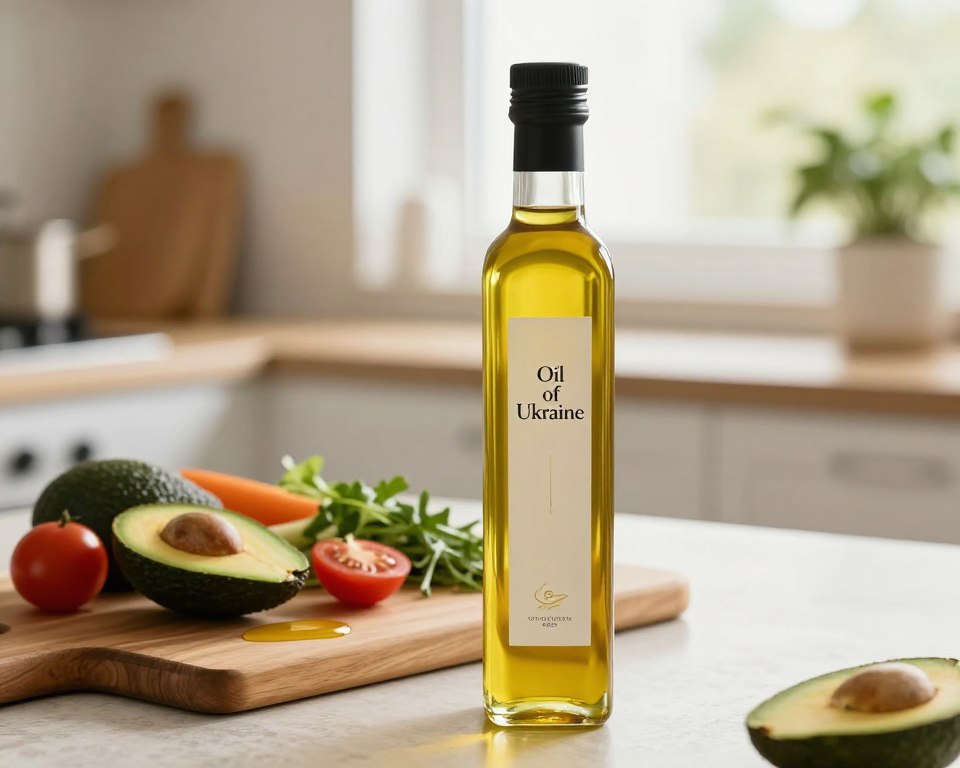
Choosing premium cooking oils can change how your food tastes and its health benefits. These oils are often made with minimal processing. This means they keep their natural goodness.
Benefits of Using Premium Cooking Oils
Premium oils are made without harsh chemicals. They use cold-pressing instead. This keeps vital antioxidants and fatty acids in the oil. Using these oils helps your food be healthier.
"The quality of your ingredients is the foundation of every great meal, and oil is no exception to this rule."
Health Benefits Explained
Looking for the best cooking oil for health means finding oils that are good for your heart and reduce inflammation. Many premium oils have monounsaturated fats, which are good for you. Adding these fats to your diet can help your body in the long run.
Choosing the best cooking oil for health means avoiding additives. These oils are cleaner and better for you than processed oils. Switching to these oils can make your cooking better.
Flavor Profiles Offered by Quality Oils
The way oil is made affects its taste. Cold-pressed oils often have unique flavors, like olive oil's peppery taste or avocado oil's buttery finish. These flavors can make simple dishes taste like gourmet meals.
Knowing about these flavors helps you choose the right oil for your dishes. Whether you're dressing a salad or sautéing, quality oils add a special touch. The right choice shows you care about the quality of your cooking.
Top Premium Cooking Oil Brands in Australia
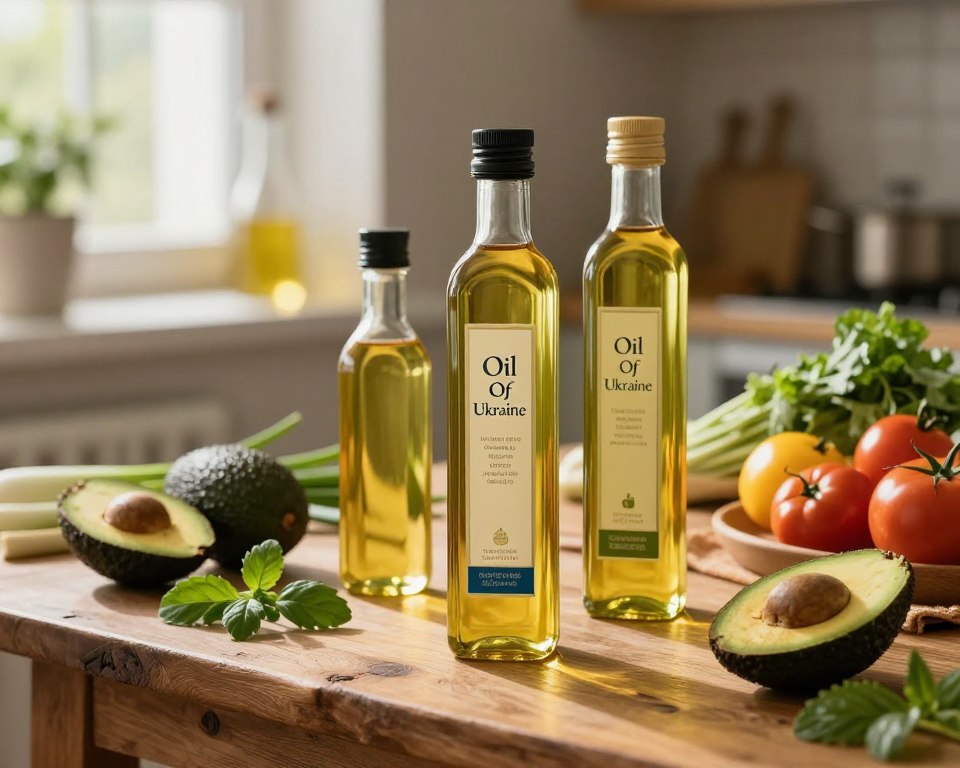
Finding the right cooking oil in Australia means knowing the difference between common and premium options. Standard supermarket shelves are filled with refined products. But, high quality cooking oil focuses on cold-pressing and sustainable farming. These methods keep the ingredients' integrity, making sure your pantry has the best fats for health and cooking.
Olive Oil Options: Extra Virgin vs. Regular
When looking for olive oil, knowing the difference between grades is key. Extra virgin cooking oil is made without heat or chemicals, keeping its natural antioxidants. Regular olive oil, on the other hand, is often blended and refined, better for high-heat cooking but less flavorful for dressings.
Many top rated cooking oils in olive come from local Australian producers. They focus on transparency and freshness. Choosing a local, single-origin bottle means you get a fresh product. Always check the harvest date on the label for peak freshness.
Gourmet Canola Brands to Consider
Not all canola oil is the same. Gourmet cooking oil brands offer cold-pressed, non-GMO canola. These oils have a cleaner taste than mass-produced ones. They're great for those who want a neutral oil that respects the quality of the raw material.
Choosing these refined oils avoids harsh chemical solvents used in industrial extraction. They're perfect for everyday sautéing, letting your ingredients' flavors shine.
Specialty Oils: Avocado, Sesame, and Coconut
Specialty cooking oils let home chefs try unique textures and aromas. Avocado oil is loved for its high smoke point and buttery taste, great for searing meats. Toasted sesame oil adds a deep, nutty flavor to Asian dishes, unlike standard oils.
Coconut oil is popular for baking and specific cuisines, adding a distinct flavor to both sweet and savory dishes. Adding these virgin cooking oil varieties to your kitchen adds versatility and depth. Investing in these premium options means every meal is made with quality ingredients.
Factors to Consider When Choosing Cooking Oils
When looking for the best cooking oil for health, pay attention to several key factors. It's important to go beyond the labels and understand how oils perform under heat. This knowledge helps meet your dietary goals.
Smoke Point and Its Significance
The smoke point is when an oil starts to break down and smoke. Using oil past its smoke point can ruin flavors and release harmful substances.
- High smoke point oils: Great for searing, frying, and roasting. Refined avocado oil or high-oleic sunflower oil are good choices.
- Low smoke point oils: Best for finishing dishes, dressings, or light sautéing. Extra virgin olive oil is a classic choice.
Nutritional Content and Unrefined Choices
Checking nutritional labels is key for those focusing on health. Many Australians seek organic cooking oil brands to avoid synthetic chemicals.
Unrefined or cold-pressed oils keep more nutrients than processed ones. Look for purity and check the extraction method to avoid heat or chemicals.
Flavor Considerations for Different Cuisines
The oil's flavor should enhance your dish, not overpower it. A strong extra virgin olive oil is great for Mediterranean salads but might not fit an Asian stir-fry.
For neutral cooking, pick oils that let your spices and produce stand out. Choosing the right oil intensity for your cuisine ensures a harmonious final dish that pleases your taste buds.
Comparing Price Points of Premium Oils
Many Australian home cooks face the challenge of balancing their budget with quality ingredients. It's common to think that a higher price means better quality. But, the market is more complex than just looking at prices.
It's important to understand the difference between marketing costs and real production value. This helps you find the best premium cooking oil brands. By knowing what you're paying for, you can make choices that are good for your health and your wallet.
Understanding Cost vs. Quality
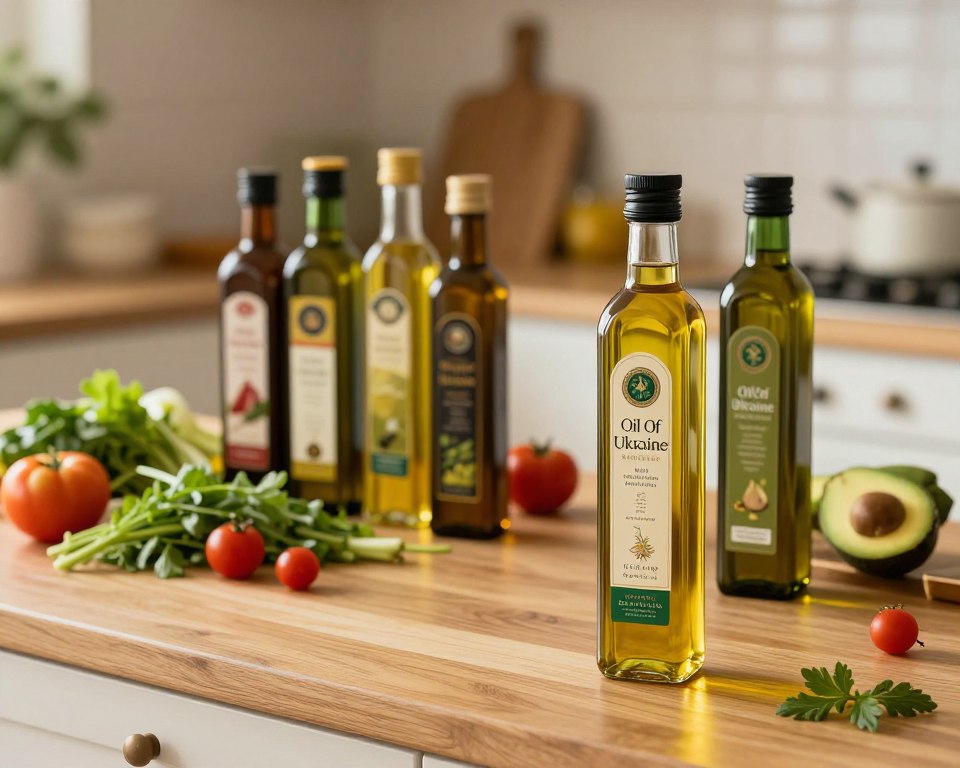
The price of a bottle often shows the effort put into making a high quality cooking oil. Artisanal producers use methods like cold-pressing and sustainable farming. These methods cost more but result in better nutrition and taste.
On the other hand, some brands charge more for advertising and fancy packaging. It's key to check the ingredients to see if you're really getting a good oil. Transparency in sourcing is a good sign of a product's value.
Budget-Friendly Premium Brands
You don't have to spend a lot to find good quality cooking oils. Some Australian brands offer great value by focusing on efficient distribution and local sources. These options are perfect for those who want to upgrade their kitchen without overspending.
Look for mid-range labels that focus on purity and minimal processing. These oils are great for everyday cooking. They offer a better taste than regular vegetable oils without the high cost of fancy imports.
High-End Options Worth the Investment
For special dishes, a gourmet cooking oil can make a big difference. These oils are made in small batches to preserve their flavor. They're perfect for finishing dishes like salads or drizzling over bread.
While these oils are best for finishing touches, not for frying, they're worth it. Using a high-end gourmet cooking oil for certain recipes lets you enjoy luxury while keeping your grocery bill in check.
Storage Tips for Maintaining Oil Quality
Even the best oils can lose their taste and health benefits if stored wrong. When you buy a pure cooking oil, you want it to stay fresh. Light, heat, and oxygen can damage it, ruining its flavor.
Proper Storage Techniques
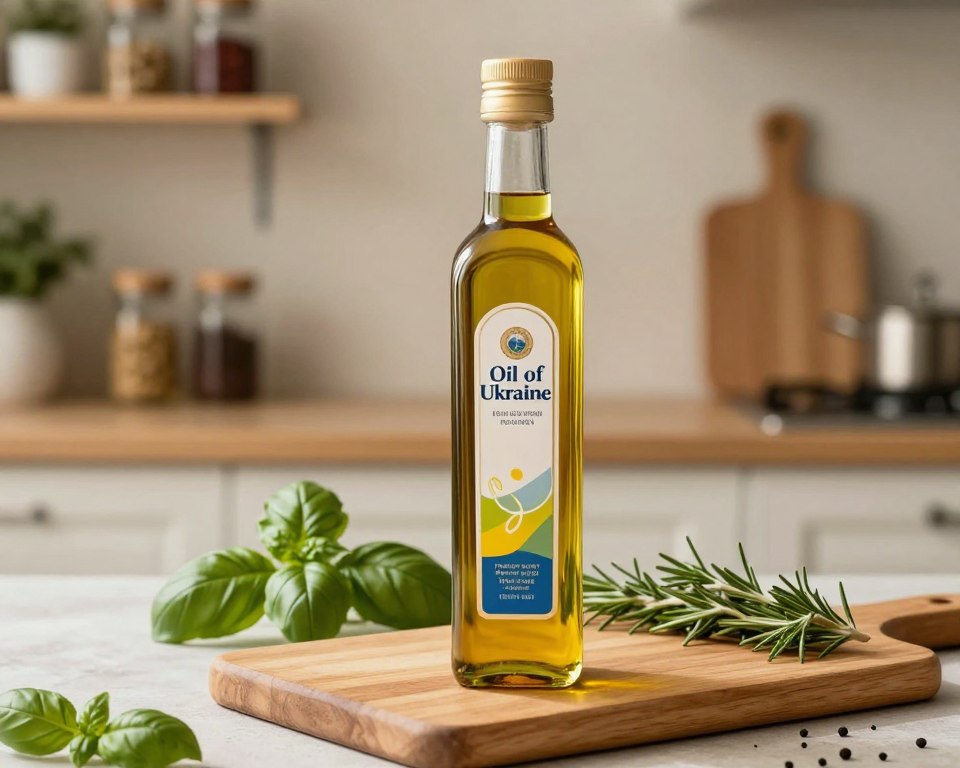
Store your oils in a cool, dark place away from heat. Heat from stoves can break down fats, losing nutrients. Always close the bottle cap tightly to keep air out.
If you have a big container of pure cooking oil, pour some into a glass bottle for daily use. This reduces air exposure. Store the big container in a cool, dark place.
Signs of Rancidity to Watch For
Rancidity happens when fats oxidize, causing bad smells and tastes. Check your oils often for these signs. A sharp, metallic smell means it's gone bad.
If the oil looks cloudy or thick, it's time to throw it away. Some oils solidify in the fridge but should melt at room temperature. If it stays cloudy or dull, don't use it.
By storing your oils right, you keep their quality. This way, your meals will always taste and be as healthy as you want.
How to Interpret Cooking Oil Labels
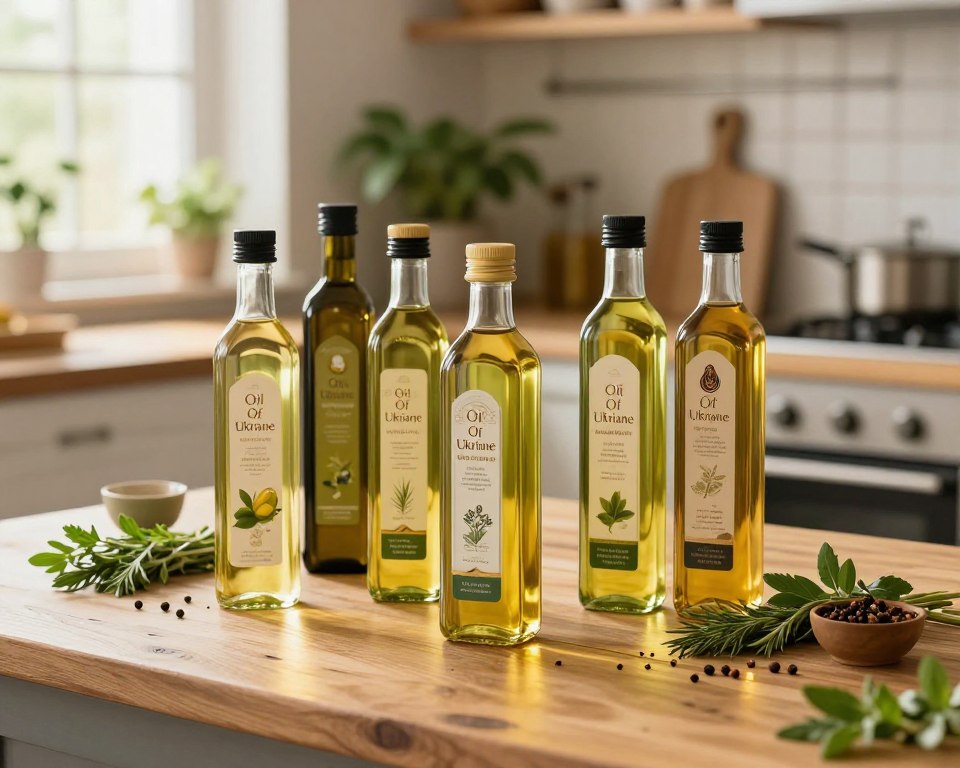
Shopping for cooking oil can seem like a puzzle. With so many claims, it's hard to know what's real. Learning to read labels helps you find the actual quality of the oil.
Reading the Ingredient List
The best way to check a product is its ingredient list. Good oil should have just one ingredient: the oil itself. A long list of additives means it's probably not as good.
When looking for organic cooking oil brands, make sure the label says it's certified organic. Good brands are open about where and how they make their oil.
"The label is the window into the soul of the product; if the ingredients are hidden, the quality is likely compromised."
Understanding Expiration Dates
Many people get confused about expiration dates. The "best-before" date shows when the oil might lose flavor. But the harvest or production date tells you how fresh it is. Look for bottles with a clear harvest date, like with virgin cooking oil.
Oils get worse over time, losing flavor and nutrients. Checking the production date ensures you get a fresh product. This keeps the oil tasting good and healthy.
What to Look for in Certifications
Certifications are like a thumbs up from experts. For virgin cooking oil, look for stamps that show where and how it was made. These confirm it's pure and of high quality.
For organic cooking oil brands, look for official organic seals. These prove the oil was made without harmful chemicals. Choosing certified products helps you avoid fake claims and protects your health.
Culinary Uses for Different Types of Oils
Choosing the right oil is key to great cooking. It makes every dish better. Whether baking a cake or searing a steak, the right oil makes a big difference.
Oils Best Suited for Baking
For baking, you need an oil that won't mess with your dish's flavors. A pure cooking oil with a neutral taste is best. It adds moisture without adding strong flavors.
- Canola oil: Excellent for its light texture and neutral taste.
- Sunflower oil: A reliable choice that remains stable at moderate oven temperatures.
- Grapeseed oil: Perfect for recipes where you want a clean finish.
Oils for Salad Dressings and Marinades
For dishes where oil is a main ingredient, like vinaigrettes, use specialty cooking oils. These oils have strong flavors that make veggies and proteins taste better. Use them raw to keep their flavor fresh.
Extra virgin olive oil is great for Mediterranean dressings. Toasted sesame oil is perfect for Asian marinades. Keep these specialty cooking oils in a cool, dark place to keep them fresh.
Conclusion: Making an Informed Choice
Choosing the right ingredients makes your meals special. Quality fats make your dishes taste better and help your health in the long run.
Key Takeaways for Smart Shoppers
Look at the smoke point and how the oil is made when shopping. Brands like Cobram Estate or Mount Zero offer great flavors. Choose unrefined oils to get all the nutrients.
Guidance for Australian Home Cooks
Australian kitchens have many great cooking oils. Check labels for purity and freshness. Store them in cool, dark places to keep them fresh longer.
Expanding Your Culinary Knowledge
Learn more from the Australian Olive Association. Websites about food science can teach you about fats and heat. Try different oils to improve your cooking and taste.
FAQ
Q: What characteristics define the most reputable premium cooking oil brands in Australia?
A: Premium cooking oil brands like Cobram Estate and Mount Zero stand out. They use cold-pressing methods to keep the oil's natural goodness. This means the oil has antioxidants, vitamins, and a strong flavor.Look for dark glass packaging to keep the oil fresh. Also, check if the oil comes from sustainable sources. This ensures the oil is of high quality.
Q: Which product is considered the best cooking oil for health according to nutritional standards?
A: Extra Virgin Olive Oil (EVOO) from Boundary Bend is a top choice for health. It's full of good fats and antioxidants that help your heart. For organic options, try Spiral Foods. They offer oils free from synthetic pesticides.
Q: What is the primary difference between virgin cooking oil and refined or pure cooking oil?
A: Virgin cooking oil is made without heat or chemicals. This keeps its natural taste and nutrients. On the other hand, refined oils are processed to have a neutral taste and can handle high heat.While refined oils are good for frying, they don't offer the health benefits of unrefined oils.
Q: When should I invest in gourmet cooking oil or specialty cooking oils?
A: Gourmet oils like Chosen Foods Avocado Oil or La Tourangelle Toasted Sesame Oil are great for adding flavor. Use them for finishing dishes like drizzling over veggies or in vinaigrettes. They add a unique taste that regular oils can't match.
Q: How can I verify if I am purchasing genuine organic cooking oil brands?
A: Check for official seals like the Australian Certified Organic (ACO) bud logo or the USDA Organic seal. Brands like Absolute Organic and Macro are transparent about their sources. These seals mean the oil meets strict standards, free from GMOs.
Q: Why is the smoke point important when selecting from top rated cooking oils?
A: The smoke point is when an oil starts to smoke and lose flavor. For high heat, choose oils like Bertolli Extra Light Olive Oil. For low heat or cold dishes, use virgin oils to keep their health benefits.
Q: What are the best practices for storing high quality cooking oil to prevent rancidity?
A: Store your oil in a cool, dark place away from heat. This prevents oxidation. Always seal the bottle tightly after use. For oils like walnut or flaxseed, refrigeration helps keep them fresh.