


Managing a household budget in Australia can be tough. You want to cook healthy meals for your family, but grocery prices keep going up. Finding affordable cooking oil options is a big challenge for many cooks.
Choosing the right pantry items needs some planning. Knowing which products give you the most value helps you keep your cooking standards high without spending too much. Learning how to shop smart is the first step to better budgeting.
This guide shows you how to find smart alternatives for cooking. We'll look at how to read labels and pick the best affordable cooking oils for your meals. Making smart choices means your food can be tasty and won't empty your wallet.

By understanding these differences, you can make better choices at the store. Learning about these basics helps your kitchen run smoothly and saves money.
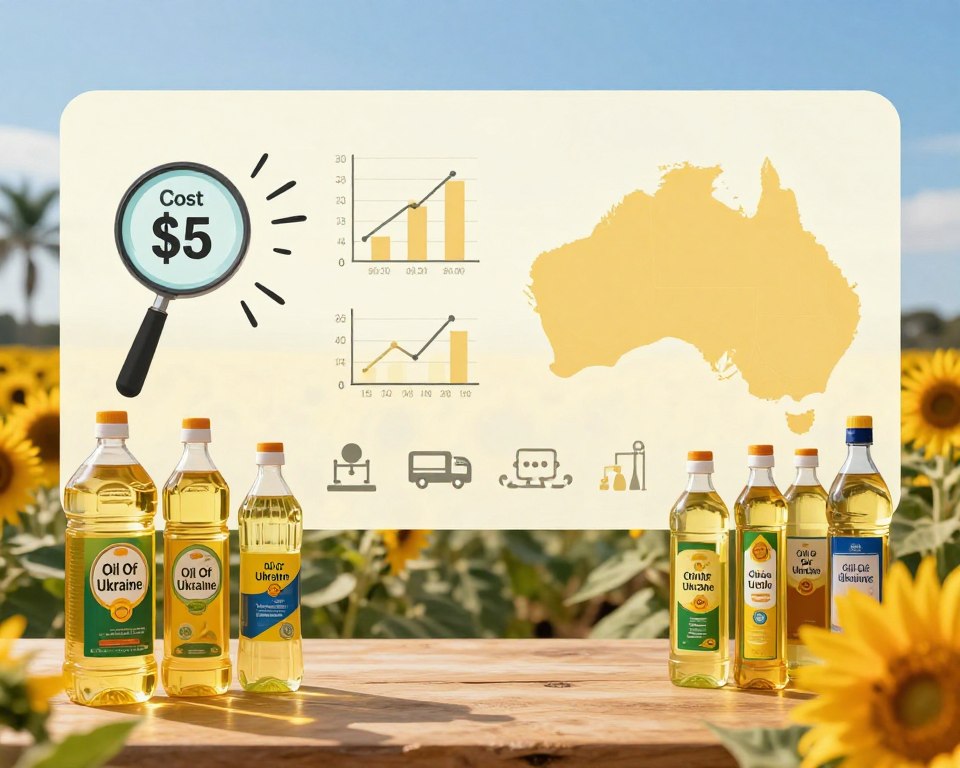
The best affordable cooking oil brands meet your cooking needs. Mixing supermarket oils for everyday use with local oils for special touches keeps your kitchen cost-effective without losing flavor.

Key Takeaways
- Prioritize versatile edible oils that work for both frying and salad dressings.
- Check unit pricing on shelf labels to compare true value between brands.
- Look for bulk sizes to reduce the cost per liter over time.
- Understand the smoke point to ensure your chosen fat is safe for high-heat tasks.
- Store your pantry items in a cool, dark place to extend their shelf life.
Understanding Cooking Oil Types and Their Uses
Walking through an Australian supermarket can feel like a big task. There are so many cooking oils to choose from. Instead of just picking one, it's better to understand the unique properties of each. This way, you can find budget-friendly cooking oils that work well in different recipes.
Popular Cooking Oils in Australia
In Australian kitchens, a few oils are always there. Canola oil is a favorite because it tastes neutral and can handle high heat. It's ideal for frying and baking. Sunflower oil is also popular for its light feel and use in dressings or sautéing. Olive oil, with its rich taste, is a favorite for roasting or drizzling. Even though some olive oils are expensive, many brands offer inexpensive cooking oil choices. These oils help keep your kitchen stocked without breaking the bank.Health Benefits of Different Oils
Choosing the right oil is more than just looking at the price. It's also about the health benefits. Different oils contain different fats that are good for your heart. Knowing the smoke point of your oil is key. Heating an oil too high can ruin its health benefits and taste."The secret to great cooking lies in matching the oil's smoke point to your heat source, ensuring both safety and flavor integrity in every dish."To pick the best affordable cooking oils for you, look at this comparison of common oils in Australia:
| Oil Type | Smoke Point | Best Use | Flavor Profile |
|---|---|---|---|
| Canola | High | Deep Frying | Neutral |
| Sunflower | Medium-High | Sautéing | Mild |
| Olive Oil | Medium | Dressings | Robust |
| Vegetable Blend | High | General Cooking | Neutral |
Factors Influencing the Cost of Cooking Oil
Global supply chains and local harvests affect the cost of cooking oil. Knowing these factors helps you find the best time to buy inexpensive cooking oil choices. The best time is when prices are stable.
Sourcing and Production Processes
The path from farm to store has many steps that change the price. Costs of raw materials, like sunflower seeds or olives, go up and down with demand and trade rules. How oil is refined and processed also raises costs. Companies look for low-cost cooking oil solutions. They do this by improving their supply chains and using local Australian crops.Seasonal Price Changes
Seasonal changes in farming greatly affect oil prices. When crops are in season, there's more supply. This usually means lower prices for buyers. For those seeking cheap cooking oil alternatives, watching these seasons is key. Prices go up when there's a shortage, often due to bad weather or gaps in the season.| Factor | Impact on Price | Consumer Strategy |
|---|---|---|
| Harvest Yields | High | Buy during peak season. |
| Transport Costs | Moderate | Choose local brands. |
| Global Demand | High | Stock up when stable. |
| Refining Tech | Low | Compare generic labels. |
Comparing Prices: Budget-Friendly Brands
To find the best cooking oil deals, you need to check prices regularly. Many think that more expensive oils are better. But this assumption isn't always true. By looking at unit prices, you can find budget-friendly cooking oils that work well for everyday cooking.
Affordable Options from Big Supermarkets
Big Australian stores have many economical cooking oil varieties under their labels. These oils come from the same places as pricier brands but without the extra cost. Picking these store brands helps keep your grocery bill down while cooking well. Always check the price per liter or kilogram on the tag. This unit pricing helps compare different sizes. You'll often find store-brand vegetable or canola oils are the best value for frying.Quality Oils from Local Producers
Supermarket staples are good for daily cooking, but local producers offer special options. These cost-effective cooking oil picks might cost a bit more but are worth it. They use better methods, like cold-pressing, which keep more flavor and nutrients. A small bottle of high-quality local oil can make your salad dressings or finishing touches better. The table below helps you choose the right oil for your kitchen.| Oil Category | Best Use | Value Rating |
|---|---|---|
| Supermarket Private Label | Deep Frying & Roasting | Excellent |
| National Brand Names | General Cooking | Moderate |
| Local Artisan Producers | Dressings & Finishing | Premium |
Cooking Oil Storage Tips to Maximize Value
Keeping your cooking oil fresh can save you money. Proper storage helps your low-cost cooking oil solutions last longer. This prevents waste from oxidation.
Best Practices for Storage
Quality pantry items need the right environment. Heat, light, and oxygen harm oil. Store bottles in a cool, dark place, away from heat sources."Quality is never an accident; it is always the result of high intention, sincere effort, intelligent direction and skillful execution."Here are tips for economical cooking oil varieties:
- Always seal the cap tightly after use to reduce air exposure.
- Don't store oil near windows or direct sunlight to prevent rancidity.
- Move oil to a dark glass container if your current one is clear or thin.
Signs Your Oil Has Gone Bad
Oils can degrade over time, even with care. Spotting early signs helps avoid using bad ingredients. If you see these changes, it's time for a new cheap cooking oil alternative:- Unpleasant Odor: A sharp, metallic, or "off" smell means oxidation.
- Color Changes: Darker or cloudier oil than when bought means quality has dropped.
- Texture Shifts: Sticky or tacky oil near the bottle opening means it's breaking down.
Making the Right Choice for Your Needs
Choosing the right pantry staples is about finding a balance. You need to think about your health goals and your budget. By matching oil properties with your cooking style, you can create a versatile kitchen.Balancing Cost and Health Benefits
Smart shoppers look for affordable cooking oils that are high in value. Brands like Coles and Woolworths offer great options that are easy on the wallet. They are perfect for everyday meals. Choose oils with high smoke points for searing. For dressings, go for lighter options. This way, you get the most out of your money.Recommendations for Specific Cooking Styles
For tasks like stir-frying, refined oils are best. They stay stable under high heat. Look for affordable options like generic canola or sunflower blends. For low-heat sautéing or finishing dishes, cold-pressed oils are better. Look for sales on these during the season. Your goal is to make every dollar count in your kitchen.FAQ
Q: What are the most affordable cooking oil options currently available for Australian households?
A: In Australia, canola oil and sunflower oil are the cheapest. Stores like Coles and Woolworths sell their own brands at low prices. These oils are great for everyday cooking because they taste neutral and can handle high heat.
Q: Which budget-friendly cooking oils are best suited for high-heat methods like deep frying?
A: For deep-frying, rice bran oil (like Alfa One) and refined vegetable oil are top picks. They can handle high heat without breaking down, making them safe and affordable for frying and roasting.
Q: How can I find inexpensive cooking oil choices that also offer health benefits?
A: To find cheap oils that are good for your heart, look for sales on Australian Extra Virgin Olive Oil (EVOO). Buying big tins from brands like Cobram Estate or Moro during sales can save money. Canola oil is also a cheap option that's good for your heart.
Q: What factors typically cause the price of low-cost cooking oil solutions to fluctuate?
A: The price of cheap oils changes due to global markets, weather, and shipping costs. For example, problems in Europe can make sunflower oil in Australia more expensive. This leads people to look for cheaper options like cottonseed oil or blended oils.
Q: Are affordable cooking oil brands from supermarkets as high-quality as premium labels?
A: Yes, many affordable cooking oil brands from supermarkets meet Australian food standards. Brands like ALDI’s Oh So Natural or Coles use the same quality oil as more expensive brands. The main difference is in marketing and packaging, not taste.
Q: What are the best affordable cooking oils for baking and light sautéing?
A: For baking, vegetable oil and light olive oil (like Bertolli Light) are best. They don't add strong flavors to baked goods. For light sautéing, sunflower oil is a good choice because it's affordable and crisp.
Q: How should I store my oil to ensure these cheap cooking oil alternatives don't go to waste?
A: To keep your oils fresh, store them in a cool, dark place. Heat and light can cause them to go bad. Make sure to seal the cap tightly on brands like Crisco or Sunbeam after each use to keep them fresh longer.
Q: Why is unit pricing important when selecting cost-effective cooking oil picks?
A: Unit pricing helps you compare costs across different sizes and brands. Sometimes, a bigger bottle of a premium brand is cheaper than a smaller generic one. Always check the price per unit at Woolworths or Coles to find the best deal.